Why Low-Level Carbon Monoxide Leaks Go Unnoticed in Many Homes With Gas Appliances
Many homeowners with a gas furnace, water heater or stove think of carbon monoxide (CO) as an all-or-nothing emergency. People understandably assume that if they have a working CO alarm, then they’ll be warned of any CO in their indoor air.
That’s not exactly the case. Low-level leaks can develop from everyday gas appliances and often go completely unnoticed because CO alarms have a programmed threshold that’s higher than many people realize.
Where Does Low-Level Carbon Monoxide Come From?
CO is a natural byproduct of burning natural gas, propane or any other fuel. In a healthy, well-vented appliance, those gases exit safely outdoors.
Problems often start small with little or no warning because CO alarms aren’t calibrated for those early-stage warning signs.
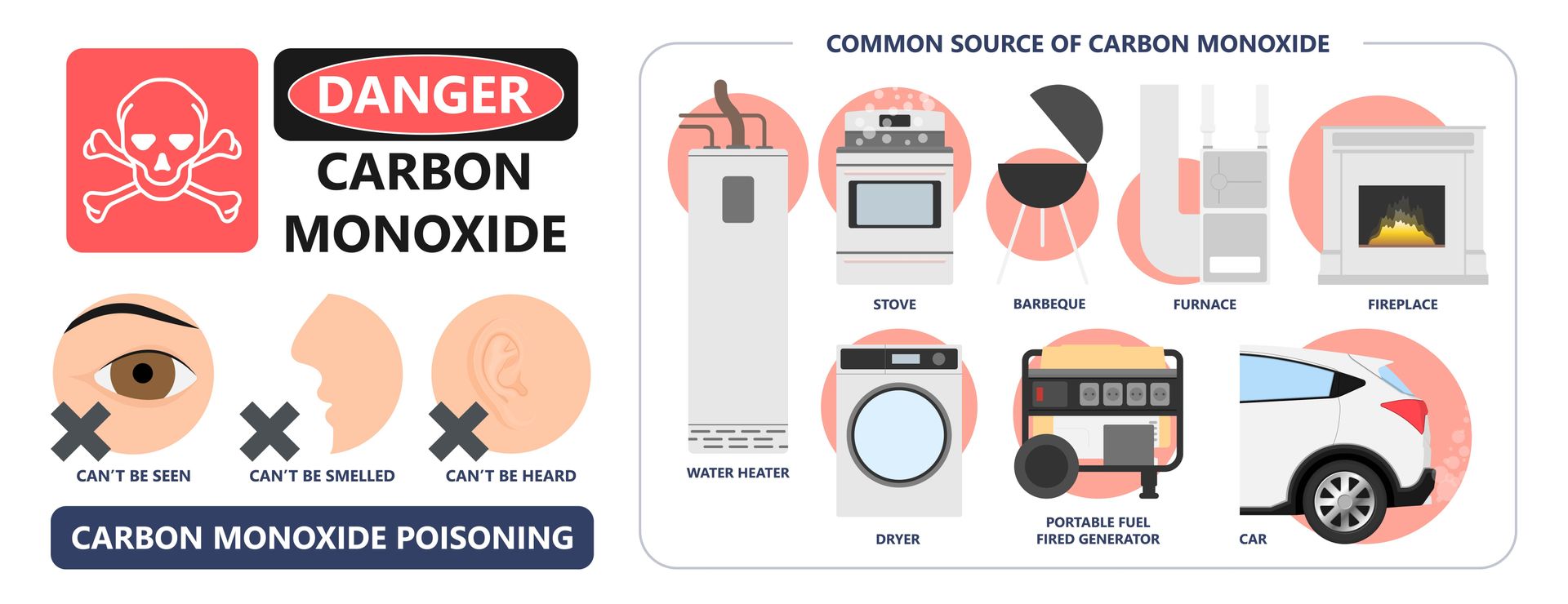
Common Sources of Low-Level CO Leaks in Homes With Gas Appliances
- Aging furnaces: Heat exchangers can crack or corrode, slowly allowing flue gases (including CO) to leak into the home’s air supply.
- Gas water heaters: Backdrafting, partially blocked vent pipes, or worn-out draft diverters can allow combustion gases to spill into living spaces, especially after long showers or laundry loads.
- Gas stoves and ovens: Incomplete combustion from dirty burners or misaligned flames releases CO directly into the kitchen, especially if range hoods aren’t used or are underpowered.
- Fireplaces (gas or wood): Poor draft, creosote buildup or cracked flue liners let gases escape into the house.
- Dryers and other vented gas appliances: Blocked or kinked exhaust ducts reduce ventilation and can lead to low-level leaks.
- Attached garages: Cars idling with the door closed or partially open can create a steady source of CO that seeps into the living space.
None of these issues cause a sudden, high-concentration leak on their own, but a persistent, developing problem in appliances can lead to low-level CO exposure.
Why Standard CO Alarms Don’t Catch Low-Level Leaks
Most plug-in or battery-powered CO alarms are designed to protect against immediate, life-threatening levels of carbon monoxide. Under current UL standards, alarms typically don’t sound until concentrations reach 70 parts per million (ppm) and stay there for one to four hours. This approach is meant to prevent acute poisoning events, not pick up on small, ongoing leaks that might signify appliance, HVAC or water heater problems.
As a result, it’s possible for your home to have a persistent CO level of 10, 20 or even 30 ppm caused by a fixable issue. That level is too low to trigger a standard alarm but still potentially enough to cause symptoms in some people, especially with continuous exposure.
Why Low-Level CO Exposure Still Matters
Low concentrations of CO are not immediately deadly, but they aren’t harmless either. People exposed to persistent, low-level CO may notice:
- Headaches or dizziness
- Fatigue and trouble concentrating
- Nausea, mild confusion or feeling “off” for days at a time
Symptoms are often mistaken for seasonal illness, allergies or stress. Those at greater risk, including infants, the elderly or people with heart or breathing issues, can be affected at even lower concentrations.
What Makes Some Homes More Vulnerable?
Not every home with gas appliances has a CO problem. But certain conditions make low-level leaks more likely to develop or persist:
- Poor ventilation: Tightly sealed homes, closed windows or blocked vents may prevent combustion gases from escaping as designed.
- Neglected maintenance: Dirty burners, failed vent fans and skipped annual checkups allow minor issues to go undetected.
- Venting and installation errors: Sloped vent pipes, long horizontal runs or back-pitched exhausts can all cause CO to linger indoors.
- Seasonal changes: Chimney caps, flue dampers or vent terminations can get blocked by debris or ice in the winter, trapping exhaust gases.
You Can Upgrade Your CO Protection
If you want more than just basic protection, there are CO detectors available that measure and display even low concentrations (as low as 5 ppm). These are often sold as “low-level” CO monitors or professional-grade devices and are designed for sensitive settings or anyone with health concerns.
Tips for Better CO Detection
- Place at least one monitor near sleeping areas and another near any gas appliance
- Choose units with a digital readout and audible alarm
- Replace or test alarms periodically, as sensors can lose sensitivity over time
What to Do If You Suspect Low-Level CO in Your Arlington or Fort Worth Home
If you’re experiencing unexplained symptoms that match CO exposure, or you just want to be proactive, schedule a professional inspection. A Tom’s Mechanical technician can check combustion appliances, inspect venting and measure CO levels directly.
For a thorough inspection of your gas furnace or water heater, or to discuss low-level CO detection options for your home, call Tom’s Mechanical at (817) 277‑4493.
OTHER RECENT POSTS