Why Heat Exchanger Inspections Are the Most Important Part of Pre-Season Heater Maintenance
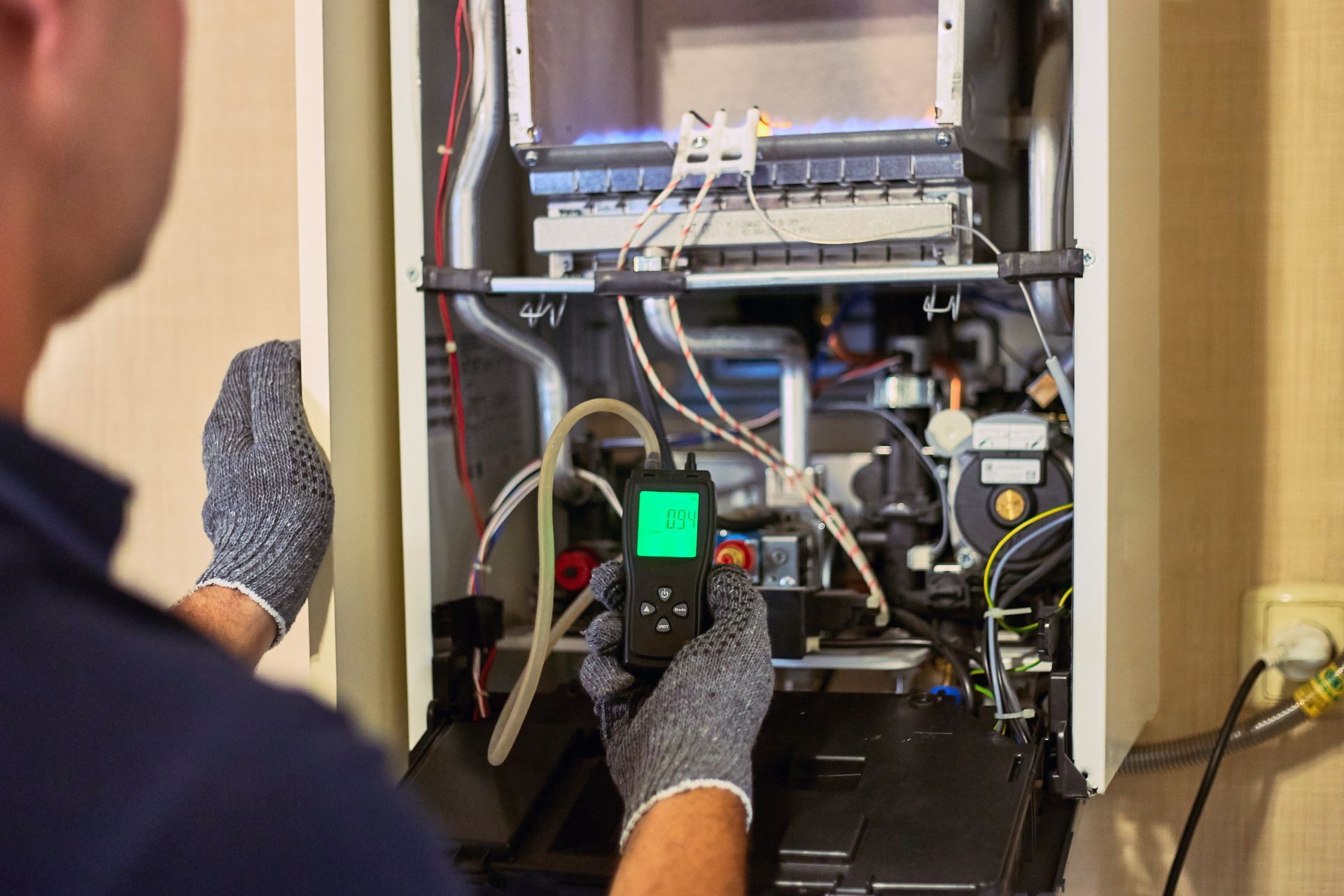
In gas furnaces, the heat exchanger acts as a barrier between combustion gases and the air that’s circulated through the home. It allows heat to transfer into the air without letting exhaust gases mix with it.
As long as the heat exchanger is intact, the system can heat the home safely and efficiently. When it starts to fail, the furnace may still run, but the risks increase.
Why Heat Exchanger Problems Aren’t Always Obvious
One of the challenges with heat exchanger issues is that wear or damage doesn’t always come with dramatic symptoms or changes in heater performance. A furnace can continue to heat the home normally even if a heat exchanger problem is developing.
There may be no strange noises, no sudden loss of performance, no increase in utility bills and no clear sign that something is wrong. Comfort can feel normal while the issue quietly worsens over time. This is why an annual inspection is really the only reliable way to confirm a heat exchanger is in good working order.
What HVAC Techs Look for During Fall or Winter Maintenance
The heat exchanger is checked as part of the overall system evaluation during routine heater tune-ups. Technicians look for signs that the metal has been stressed or damaged from normal use over the years.
They also pay attention to how the furnace is operating as a whole. Certain performance issues or patterns can raise red flags, even if the system is still running. These observations help determine whether the heat exchanger is holding up as expected or showing early signs of trouble.
The goal is to spot problems that could develop into full-blown, dangerous malfunctions in gas furnaces during the upcoming heating season.
HVAC companies should always put customer safety first. Catching these issues long before the heat exchanger starts mixing exhaust into indoor air should be the highest priority for technicians.
How Normal Use Creates Wear Over Time
Every time a furnace runs, the heat exchanger heats up and cools down. That expansion and contraction happens thousands of times over the life of the system. Over many heating seasons, that repeated movement can weaken the metal.
A furnace that’s been through many winters has experienced more stress than one that’s only a few years old. Technicians performing pre-season maintenance should take that accumulated wear into account when inspecting furnaces.
What Can Happen If a Heat Exchanger Issue Is Missed
Heat exchanger problems are not always immediately dangerous, but neglecting maintenance is not a risk worth taking.
If safety mechanisms are working as intended, gas furnaces should shut themselves down when the heat exchanger fails. A home without heat during cold weather is uncomfortable, but it’s safer than the alternative.
Heat exchangers don’t always break in the same way. In some cases, it may only cause efficiency and performance to suffer, leading to higher energy use and uneven heating.
Why Pre-Season Maintenance Is the Best Time, but Not the Only Time for an Inspection
Scheduling pre-season heater maintenance gives homeowners flexibility and peace of mind. If an issue is found, decisions can be made without the urgency that comes with freezing temperatures. Repairs or replacements can be planned instead of rushed.
However, there’s no rule that tune-ups must be performed in the fall. Call Tom’s Mechanical at (817) 277-4493 if it has been more than a year since your gas furnace was inspected. We are also available 24/7 for emergency service if you experience heating outages or suspect there’s something wrong with your furnace.
OTHER RECENT POSTS