How Improper Return Air Design Affects Winter Comfort
During winter, heating systems rely on steady air circulation to keep temperatures consistent from room to room. That circulation breaks down when return air is restricted or inefficient.
The furnace will still run, and warm air will continue coming out of the vents, but comfort across the house may feel uneven.
Return air issues tend to show up more clearly in winter because heating depends on moving large volumes of air back through the system over longer runtimes. The system will struggle to deliver heat evenly if air can’t make its way back easily.
Common Winter Comfort Problems Linked to Poor Return Air Design
When return air design is lacking, homeowners often notice patterns like these:
- One or two rooms stay colder than the rest of the house
- The system runs longer but comfort doesn’t improve
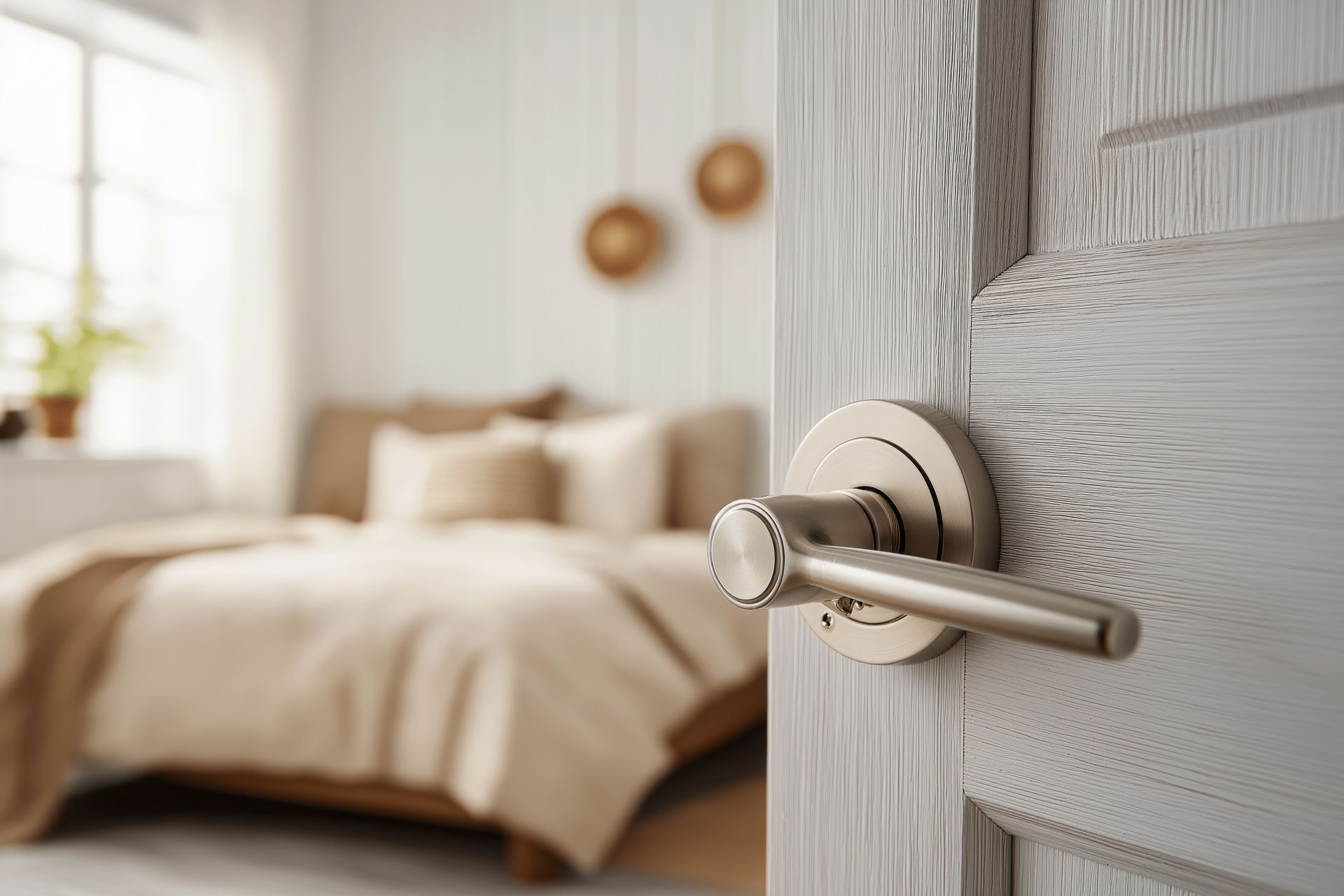
- Temperature differences get worse when bedroom doors are closed
- Some rooms warm up briefly, then cool off quickly
- Doors feel hard to open or close while the system is running
Return air problems are rarely top of mind for homeowners. Most attention naturally goes to what’s coming out of the vents, not what’s being pulled back in.
That’s why these issues are often blamed on the furnace itself, especially if the system is older. In many homes, though, limited airflow returning to the unit has a significant impact on heating consistency.
Why Return Air Matters More in Winter
Heating works best when air moves smoothly in a continuous loop. Warm air is supplied to living spaces, then cooler air returns to the system to be reheated and redistributed.
While return air matters year-round, heating tends to expose return air limitations more clearly. Warm air rises, rooms are closed off more often and even small circulation problems can lead to noticeable comfort differences.
Any restriction in the return airflow path limits how much air the system can move overall. That restriction can cause uneven temperatures, longer runtimes and rooms that never feel as warm as the rest of the house, even when the furnace is operating correctly.
Common Return Air Design and Placement Issues
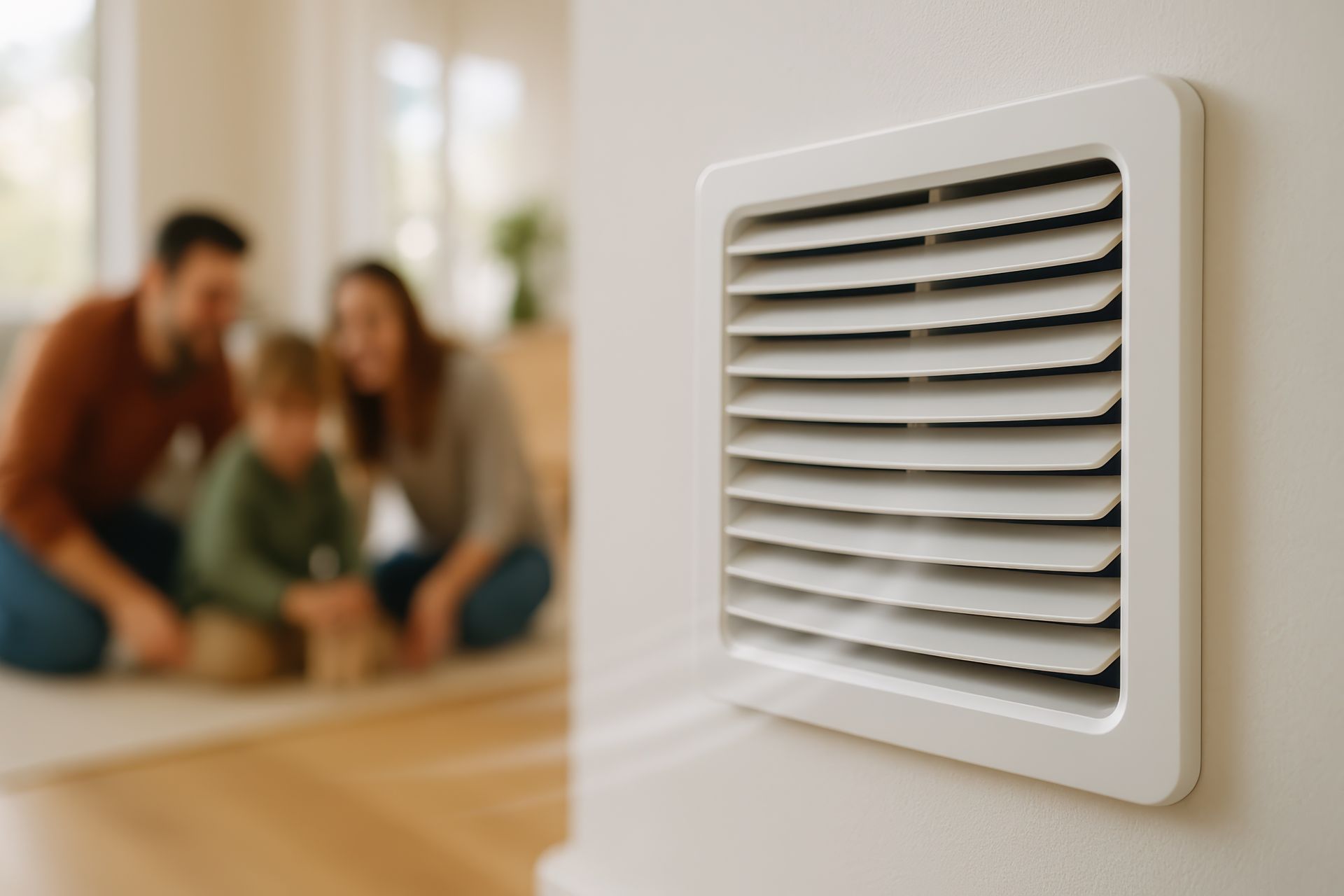
- Too few return grilles for the size of the home
- A single central return trying to serve the entire house
- No return path from frequently closed bedrooms
- Returns located far from living or sleeping areas
- Return grilles blocked by furniture or renovations
Many homes rely on a small number of central returns, or just one large return, rather than dedicated returns in each bedroom. When doors are closed, those rooms can struggle to move air back to the system, especially during heating season.
How Poor Return Design Affects Comfort and Efficiency
Airflow imbalances can cause the furnace to run longer without delivering better comfort. It can also lead to rooms heating unevenly, especially during colder nights when doors are closed and airflow paths are limited.
Replacing a furnace or heat pump will not solve return placement that doesn’t match how you use your home. The unit may be working properly, but the airflow network in the home is working against it.
What a Full Return Air Rework Looks Like
In some homes, especially those with multiple additions or persistent comfort issues, a more comprehensive approach to reworking returns may make sense. A full return air rework may include:
- Adding dedicated return grilles to bedrooms or problem areas
- Improving return placement to support balanced airflow
- Creating clearer airflow paths across the home
Practical Improvements That Can Still Make a Difference
Not every home needs a complete redesign to see improvement. In many cases, you can experience noticeable comfort gains with smaller changes, such as:
- Adding a return to the coldest or most isolated room
- Increasing the size of an existing return grille
- Improving return pathways without adding full duct runs
- Correcting blocked or undersized returns
These targeted adjustments often address the most noticeable comfort issues without the scope of a full system overhaul.
Your Furnace or Heat Pump Isn’t Always the Sole Cause of Uneven Heating Performance
Consistent winter comfort depends on more than the furnace alone. Return air design plays a critical role in how well heated air moves through the home.
Addressing return air issues can often improve comfort, reduce long runtimes and make better use of existing equipment, especially in older Arlington and Fort Worth homes. Call Tom’s Mechanical at (817) 277-4493 for an assessment of your HVAC system and its current return setup.
OTHER RECENT POSTS