When Duct Modifications Make More Sense Than Full Ductwork Replacement
When heating or cooling doesn’t feel right, many homeowners assume the problem is some component in their HVAC unit. In many older homes, performance problems can be traced, at least in part, to the way air is being delivered through the house.
Duct modifications can often solve these problems, and it doesn’t always require tearing out and replacing the entire duct system. Targeted changes may improve comfort and airflow without the disruption of a major tear-out job or the cost of full replacement.
When New Equipment Doesn’t Fix Comfort Problems
Outdated, degraded ductwork with inadequate capacity may become obvious after an HVAC system upgrade. A homeowner expects their new air conditioner or furnace to fix inconsistent indoor temperatures and is disappointed when their expensive new HVAC unit is delivering the same weak airflow and uneven room temperatures.
In some cases, old problems with temperature imbalances can become even more pronounced because the new equipment pushes air differently than the older systems did.
In those scenarios, modifying the duct system may be necessary to allow the new unit to perform as it was intended.
Older Duct Designs Weren’t Built for Modern HVAC Equipment
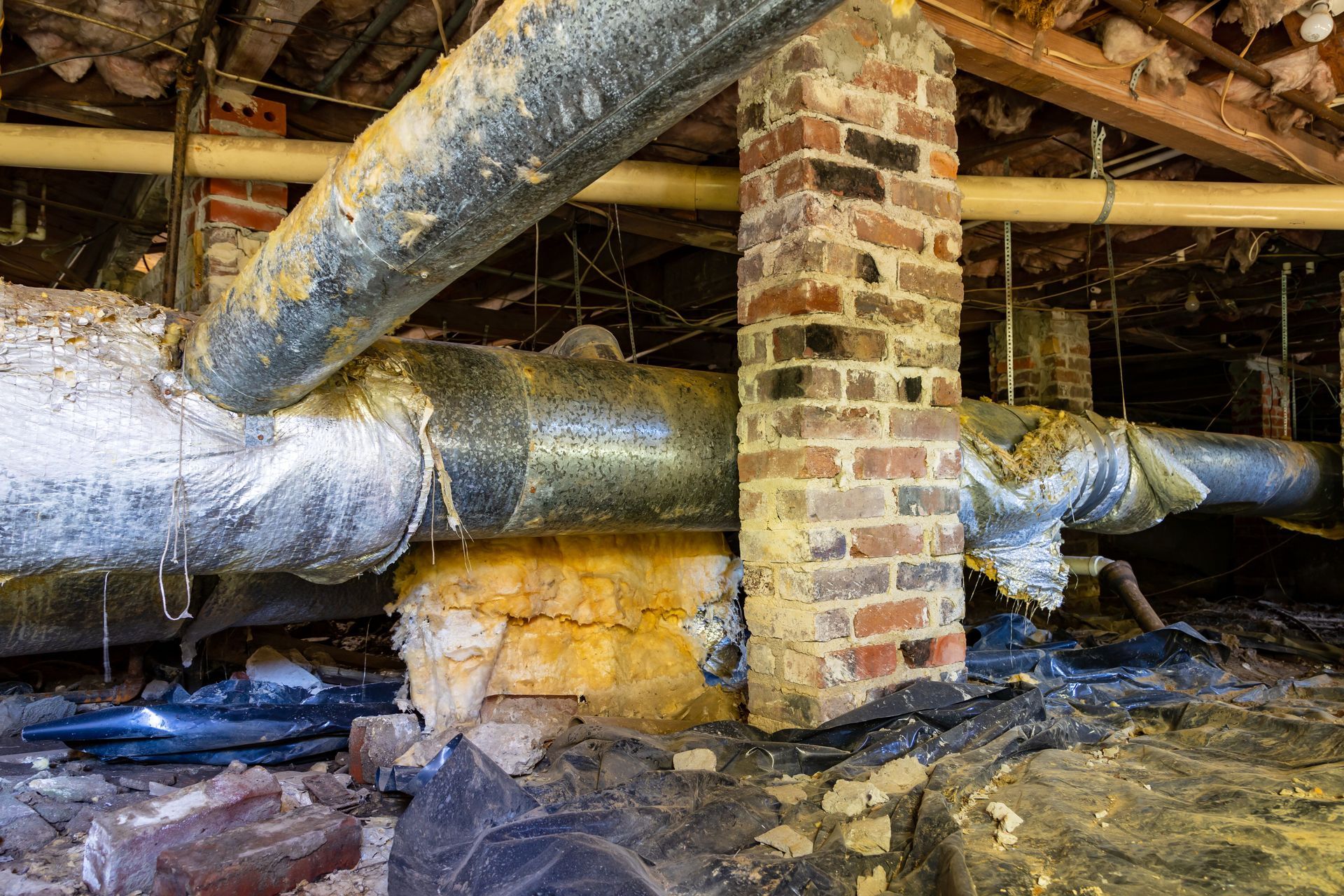
Much of the housing stock in the Fort Worth and Arlington area was built decades ago with simpler layouts, fewer rooms and antiquated duct designs and materials. Over time, additions and interior changes altered how those systems performed.
Some additions may have been tied into the existing system using exterior duct runs or unconventional routing. While this approach may deliver air to new spaces, it can create airflow losses and comfort issues that show up later, especially during extreme weather.
Modifying duct runs, resizing sections or improving airflow paths can bring the system back into balance without replacing everything.
Leaky Ducts Waste Conditioned Air
Duct leaks are another common issue in older homes. Air escapes through gaps, loose connections or damaged sections in attics and walls. That lost air never reaches the living space, even though the system is working harder to produce it.
For homes with duct leaks, sealing and reinforcing ductwork can dramatically improve comfort and efficiency. When leaks are isolated or limited to certain areas, targeted repairs make more sense than full replacement. Homeowners should notice better airflow and more consistent temperatures soon after these corrections are made.
Return Air Is Often the Missing Piece
Supply ducts get most of the attention, but return air matters just as much. Many older homes simply do not have enough return capacity to support modern airflow needs.
Rooms with closed doors can become pressurized, making it harder for conditioned air to circulate properly. This leads to uneven temperatures and added strain on the system. Adding or modifying return paths can stabilize airflow throughout the house and improve overall comfort without replacing ductwork.
Targeted Changes Can Solve Specific Room Problems
Not every comfort issue affects the whole house. Some rooms stay warmer in summer or colder in winter no matter what the thermostat says.
Modifying duct runs, adjusting airflow balance or adding support to specific areas can address the problem directly. These changes are less invasive than replacing the entire duct system and can deliver noticeable results when the underlying design still works.
When Zoning Adjustments Actually Help
Zoning systems can potentially solve persistent unbalanced indoor temperatures, especially in homes with multiple stories or large open layouts, but it’s not the right solution for most duct problems.
If airflow issues exist, zoning alone will not fix them. Airflow corrections and duct improvements may need to happen first. For zoning to work as intended, a home’s duct system needs to properly support the home’s airflow demands.
When Full Duct Replacement Is the Better Option
Even good ductwork doesn’t last forever. Older duct systems were designed for different equipment, lower airflow and fewer rooms. If ductwork is too deteriorated, poorly designed or inaccessible to correct in sections, full replacement may be the more practical long-term solution.
A proper evaluation can help determine whether modification will deliver meaningful improvements or whether starting fresh makes more sense.
Find Out if Duct Modification Makes Sense for Your Home
HVAC performance problems are not always a sign that a furnace or air conditioner needs to be replaced. In some older North Texas homes, air delivery is a significant part of the problem.
The key is identifying where the system is falling short and determining whether repair, modification or duct replacement makes the most sense. Schedule an inspection of your HVAC system and ductwork by calling (817) 277-4493.
OTHER RECENT POSTS