Real-World Challenges of Upgrading HVAC and Plumbing in Older North Texas Homes
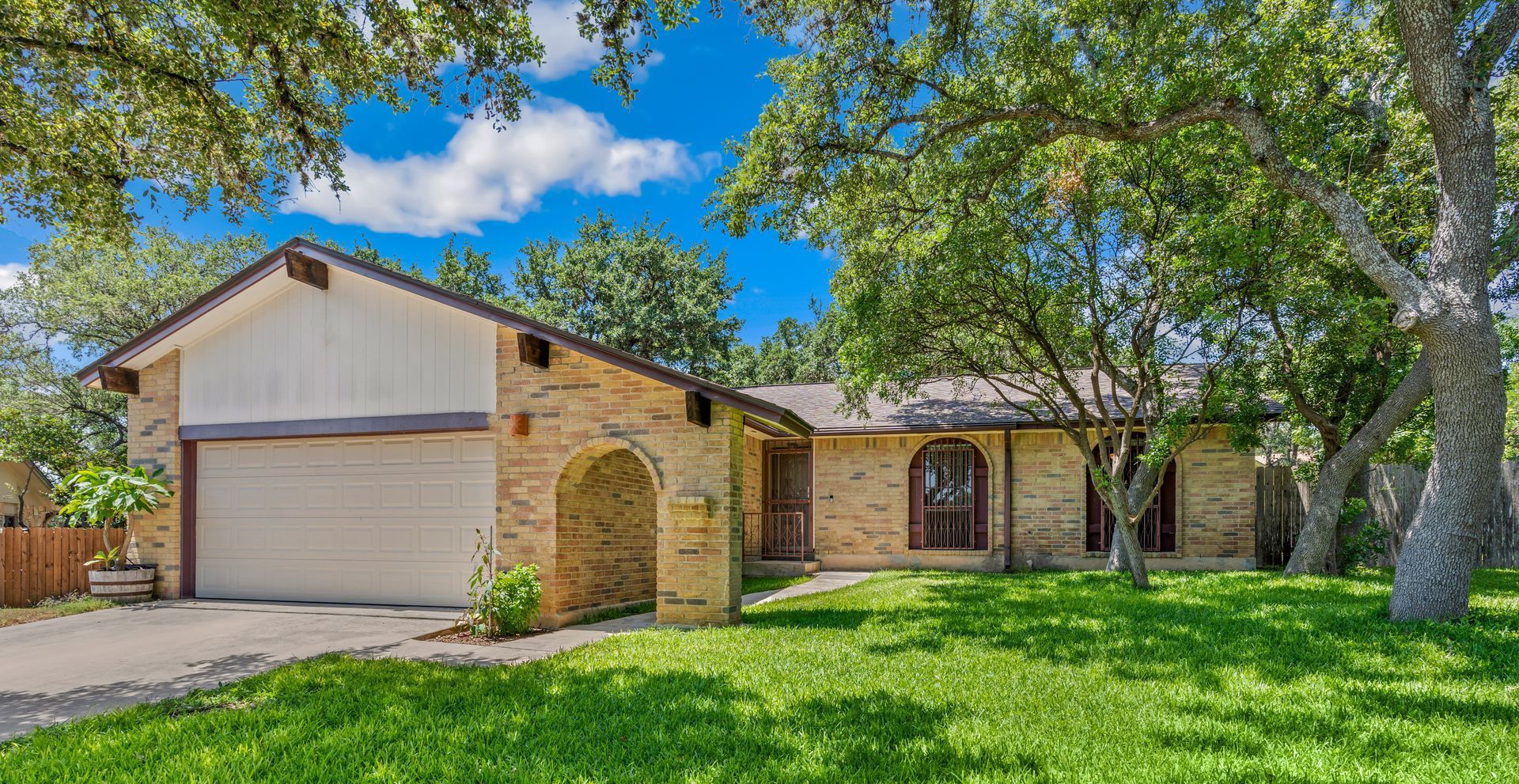
North Texas neighborhoods built from the 1950s through the 1990s are packed with homes that still have their original piping and ductwork. HVAC and plumbing infrastructure that was considered top-of-the-line at the time have since become obsolete or unpopular as better-performing and longer-lasting alternatives have been developed.
The process of modernizing vital plumbing, HVAC and electrical systems is rarely an easy or low-cost project, but it may be more affordable than living with poor comfort and HVAC performance or potential plumbing failures.
What’s Hiding Behind the Walls?
Each construction era left behind its own material mix: galvanized pipes that rust shut, copper prone to pinhole leaks, cast iron and clay drains that collapse or clog and, in later decades, polybutylene or thin-wall PVC that’s often at the end of its service life.
Early HVAC installs often featured metal ducts that leak air, limited returns and occasional asbestos on seams. Flex duct retrofits, typically undersized or kinked, show up in ‘80s and ‘90s homes.
These are all examples of outdated material and design choices, not necessarily intentional cost-cutting or builder mistakes. A lot has changed in home building best practices in 40 years, especially in the area of material durability, quality and longevity.
Why Upgrades Aren’t Just a Swap
Modern plumbing, HVAC and electrical equipment often can’t or shouldn’t follow the same path as original infrastructure.
New pipes and ducts may be larger, require better insulation and need to be run where there’s actual access, not just where the original installer squeezed them in.
Slab foundations mean you might route lines overhead and box them in. Pier-and-beam homes help with access but rarely make things “easy.” More often than not, running new makes more sense than tracing every line or duct through the maze of old construction.
Remodels and additions since an older house was first constructed, which are very common in Arlington and Fort Worth, can pose more challenges. Unexpected framing, amateur fixes or hidden pipes are all common issues HVAC installers and plumbers must contend with.
It’s also not uncommon for contractors to find old water damage, spliced wires or animal nests after they begin work. Unexpected discoveries that weren’t on anyone’s radar during the bid can potentially increase job time and cost.
What to Expect During Plumbing Replacement
A full-home repipe always requires opening some walls or ceilings and living with brief water shutoffs. PEX has made rerouting faster, but every fixture still requires reconnection and careful testing.
A basic one-story home might be finished in three to five days; two-story homes or more complex layouts often stretch a week or longer. Partial repipes are sometimes an option but they always carry some risk of more patchwork later.
The good news is that you probably won’t need to worry about repiping again for as long as you live in your home, even if that’s for another 30 or 40 years. Material options are better than ever. PEX is flexible, easier to run and tough against freeze risk.
Copper is still valued but costs more and is slower to retrofit. Most full-home repipe jobs come down to what fits the budget and layout.
Ductwork Redesign and Replacement
Most homes built before the 2000s still rely on original ductwork that was never sized for today’s high-efficiency systems. Undersized supply and return ducts, long runs with too many bends, leaky connections and minimal insulation are common weaknesses in 20th-century houses in Arlington and Fort Worth.
Many homeowners don’t realize their ductwork is a problem until they replace an old HVAC system with a modern furnace, AC or heat pump. New equipment can reveal airflow bottlenecks and uneven room temperatures that weren’t obvious with an older, less efficient system.
Trying to improve comfort with zoning or better filtration may mean rerouting or upsizing existing ducts, which isn’t always possible without opening ceilings or walls.
Repiping or Replacing Old Ductwork May Help Improve Your Home’s Functionality and Comfort
No home stays pristine after 40 or 50+ years. Rot, failed pipes, abandoned wiring or asbestos tape are common finds in a house that’s been modified and patched over the decades.
Working with a plumber or HVAC contractor who knows the quirks of local Arlington and Fort Worth homes makes a difference.
If you want to learn what’s involved in retrofitting your home’s plumbing or HVAC, call Tom’s Mechanical at (817) 277-4493. We always provide clear communication and detailed bids to help avoid surprises and keep projects moving.
OTHER RECENT POSTS