Does Closing Bedroom Doors Impact HVAC Performance?
Closing bedroom doors for privacy, to block out noise or just out of routine is common practice in homes with multiple occupants. What many people don’t realize is that shutting doors, even for part of the day, can disrupt your HVAC system’s performance, accelerate wear and affect comfort throughout your home.
How Airflow Really Works in Central HVAC
Central heating and cooling systems are designed to move air from a central location, pushing conditioned air into each room through supply ducts and pulling it back through return ducts.
In many Arlington and Fort Worth homes, there’s just one main return, usually located in a hallway or common space. This setup assumes that air can move freely from every room back to the return, keeping temperatures balanced and the system operating efficiently.
When you close a bedroom door, you block that natural pathway. The HVAC system keeps delivering supply air into the room, but now it has nowhere easy to go. This creates a pressure imbalance; positive pressure builds up in the closed room, while a slight negative pressure forms in the rest of the house.
What Actually Happens When Bedroom Doors Stay Closed
- Temperature swings: Rooms with closed doors often become warmer or cooler than the rest of the house because air can’t circulate as intended. In summer, bedrooms may feel stuffy or less cool; in winter, they can get chilly even with the heat running.
- Weak airflow: The buildup of pressure behind a closed door restricts supply airflow, making registers blow with less force.
- System overwork: Pressure imbalances make your HVAC system run longer or cycle more often as it tries to maintain set temperatures, leading to increased wear and higher utility bills.
- Increased dust and allergens: With airflow blocked, air tries to find other paths, such as under baseboards, through wall cavities or around window frames. This can pull in dust, insulation particles or allergens from unconditioned spaces.
- Noise: You might hear doors thumping as air pressure equalizes or notice louder airflow at supply or return registers when doors are closed.
Why Undercutting Doors and DIY Fixes Aren’t Enough
Some homeowners try undercutting doors, removing a bit from the bottom of the door to let air pass under, or simply leaving the door open a crack. While these can help a little, they rarely solve the real problem. The gap needed to fully equalize pressure is much larger than most people realize, and the most effective solutions may not be practical for privacy or aesthetics.
What Actually Works to Restore Airflow
Persistent comfort problems caused by closed doors are best addressed by improving the home’s return air pathways. Professional solutions include:
- Jump ducts: Flexible, insulated ducts that connect the closed room to a hallway or adjacent space, allowing air to move back to the return.
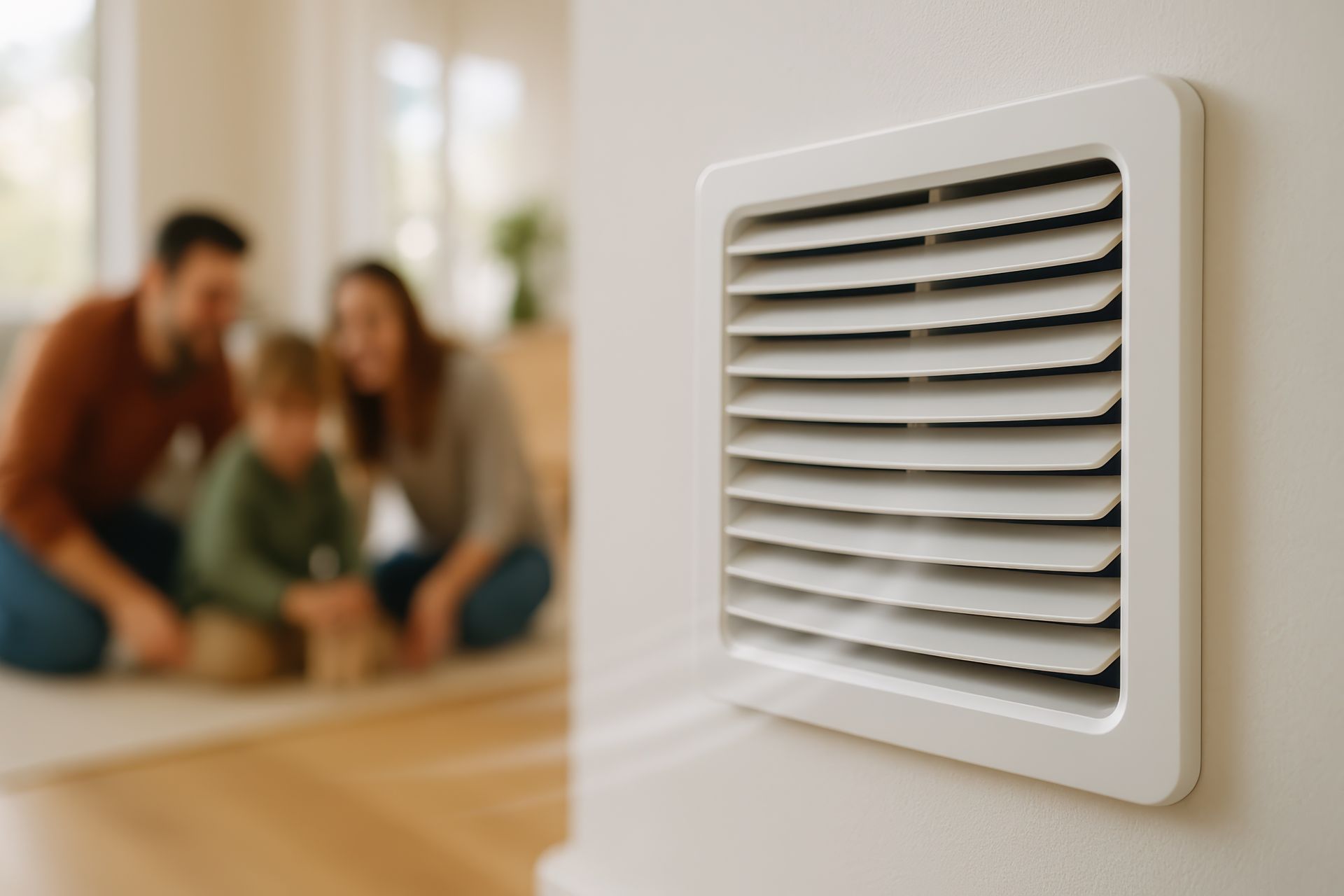
- Transfer grilles: Vents installed above the door or high on the wall to let air bypass the door without sacrificing privacy.
- Door grilles: Vents installed directly into the door itself, allowing air to pass through even when the door is closed. These can be added to existing doors or purchased as part of a new door, but they may reduce sound privacy.
- Dedicated return ducts: Adding a separate return in each bedroom is the most effective fix, especially for homes with persistent hot or cold spots.
Get Solutions That Don’t Require Sacrificing Occupant Privacy
“Just leave your doors open,” isn’t always useful advice for families with teens or staggered work and school schedules. For many Arlington and Fort Worth households, having the added privacy and noise and light reduction of closed bedroom doors is a necessary quality of life feature.
The HVAC technicians at Tom’s Mechanical can help your household keep its privacy and sleep schedules without sacrificing indoor air quality, HVAC longevity or efficiency.
Call us at (817) 277‑4493 for help implementing a long-term pressure equalization solution.
OTHER RECENT POSTS