The True Cause of Low Water Pressure in Two-Story Homes
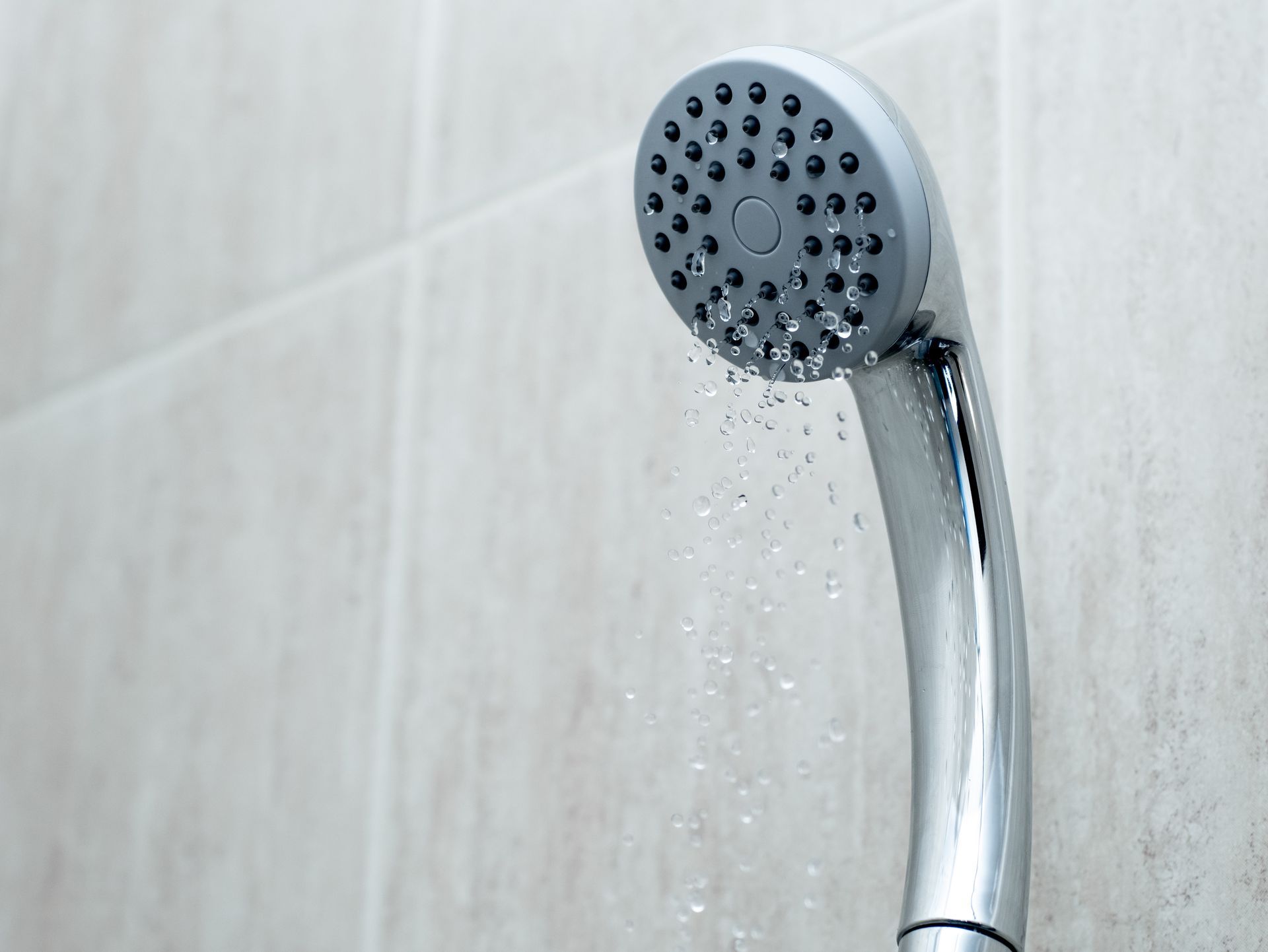
If you live in a two-story home, you may have noticed the water pressure upstairs never quite matches the pressure you get on the first floor.
Many Arlington and Fort Worth households just learn to live with low water pressure from some showers or fixtures, assuming the source is a municipal issue, gravity or some other cause that can’t be easily fixed.
Immutable natural laws are not always the cause of low water pressure in two-story homes, and there are often solutions to improve upstairs water pressure.
How Elevation Impacts Water Pressure Upstairs
Water pressure in your home is directly influenced by gravity. Every foot of elevation gained means the pressure drops slightly. In most Arlington and Fort Worth neighborhoods, municipal supply is generally strong enough to serve two-story homes, but if your street sits at a higher point or the city pressure is already marginal, the top floor will always be the first place you notice weak flow.
Upstairs showers and sinks are hit hardest, especially during peak usage times when everyone in the neighborhood is drawing water at once.
Corrosion and Build-Up in Older Homes
Another common culprit, especially in two-story homes built before the late 1980s, is the plumbing itself. Galvanized pipes corrode inside over time, and even older copper or CPVC can develop buildup. Pressure and flow both drop as the internal diameter of a pipe shrinks.
The effect can be even more pronounced if your home has had only partial repiping and currently has a mix of old and new lines. Signs that corrosion could be your issue include:
- Rusty or discolored water
- Inconsistent flow at different fixtures
- A history of pipe repairs
Pressure-Reducing Valves (PRVs) Miscalibration and Failure
Many North Texas homes are fitted with a pressure-reducing valve near the main shutoff to prevent damage from excessive city pressure. If a PRV is miscalibrated, stuck or wearing out, it can choke down water pressure throughout the entire house, not just upstairs.
Symptoms of PRV trouble include noticeably weak flow everywhere (not just the second story) and sometimes a sudden change in pressure if the valve fails.
While PRV issues are less common than elevation or pipe problems, they’re a known source of frustration and worth having checked if all fixtures seem affected.
When to Suspect Pressure Issues May Be Due to Hidden Leaks
Significant leaks, especially those hidden under slab foundations or inside walls, can also lead to a noticeable drop in water pressure. Most homeowners spot these leaks through rising water bills, water damage or the sound of running water when nothing’s turned on.
While not the leading cause of upstairs-only low pressure, checking for hidden leaks is always a good idea when water pressure in your home changes.
Municipal Supply Issues Are Rare But Possible
Sometimes, especially when your home experiences a sudden, short-term drop in water pressure, the problem isn’t in your home at all. Utility work, main breaks or even fire hydrant testing can cause sudden drops in water pressure.
These issues are almost always temporary and affect your whole block or neighborhood. If you notice a sudden, unexplained drop, check with neighbors or call your water provider before hiring a plumber.
Quick At-Home Checks Before You Call a Pro
- Compare fixtures: See if low pressure is isolated to one bathroom, the whole upstairs or the entire house.
- Clean faucet aerators and showerheads: Mineral buildup can block flow at a single fixture.
- Check for obvious leaks: Look under sinks, around toilets and at the water heater for signs of water where it shouldn’t be.
- Test pressure at different times: If pressure drops only in the morning or evening, high neighborhood demand may be the cause.
- Check your shutoff valves: Make sure the main shutoff and individual fixture valves are fully open. Partially closed valves are a common culprit after repairs or renovations.
If none of these steps solve the problem, it’s time for a professional plumbing assessment.
Call an Arlington Plumber to Diagnose and Fix Your Home’s Low Pressure
When called for water pressure issues, plumbers start with a pressure test at the meter and inside the house. Next, they’ll inspect key fixtures, look for visible corrosion and check the PRV.
If pipes are suspected, they may recommend a camera inspection or targeted line replacement. In rare cases where elevation or city supply is the root cause, a booster pump or reconfiguration of the main lines may be needed.
The right solution always depends on an accurate diagnosis, and quick, DIY fixes rarely solve the root problem.
If you’re tired of weak water pressure in your two-story home, call Tom’s Mechanical at (817) 277‑4493 for expert troubleshooting and repair.
OTHER RECENT POSTS