What HVAC Zoning Can and Can't Fix
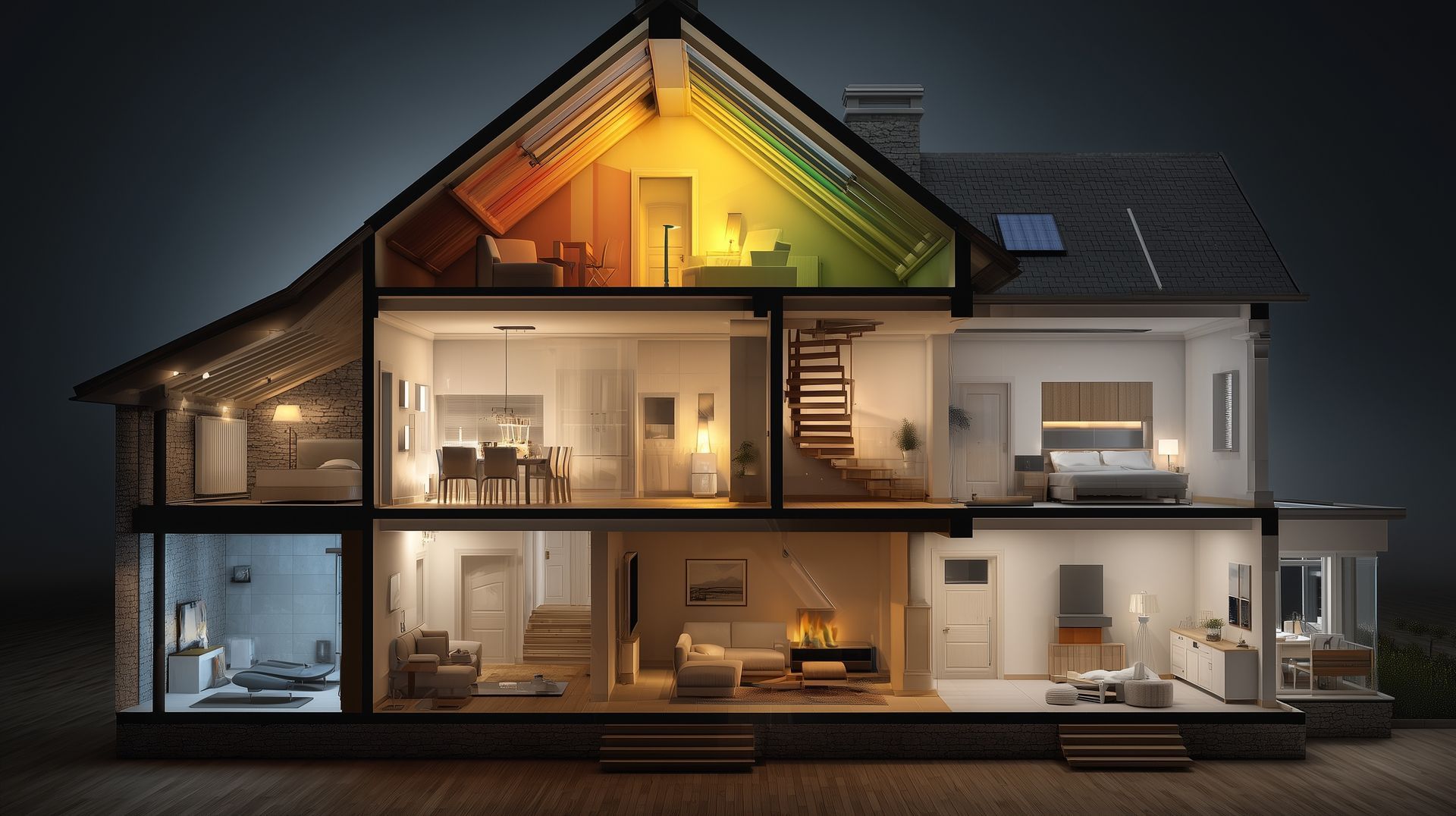
Many comfort complaints in Arlington and Fort Worth homes are tied to specific areas of the house rather than the HVAC system as a whole. Perhaps the upstairs is always hotter than the downstairs. Maybe a west-facing bedroom gets uncomfortable every afternoon, or a room at the end of a long duct run never seems to reach the thermostat setting.
HVAC zoning often seems like the obvious solution because it allows different parts of the home to be controlled independently. However, zoning is not necessarily a miracle cure for every comfort challenge.
In some situations, zoning can dramatically improve comfort. In others, it may do little to solve the underlying problem.
What HVAC Zoning Actually Does
A zoning system divides a home into separate comfort areas, or zones, that can be controlled independently.
Most whole-home zoning for traditional central HVAC systems uses multiple thermostats and motorized dampers installed within the ductwork. When one zone calls for heating or cooling, the dampers adjust airflow so that conditioned air is directed where it is needed most.
For example, a homeowner might keep bedrooms cooler at night while allowing less frequently used living areas to remain slightly warmer. A two-story home might also benefit from separate temperature control between floors.
Zoning is primarily designed to address differences in comfort preferences, occupancy patterns and heating or cooling demand between areas of a home.
Problems HVAC Zoning Often Solves Well
HVAC zoning can be a great solution when:
- Members of the household have significantly different temperature preferences
- Upstairs and downstairs comfort needs differ
- A home has guest rooms, home offices or other spaces that are usually unoccupied
- A large home has living areas with significantly different sizes and ceiling heights
- There are additions that have different heating or cooling requirements from the rest of the house
For example, a home with a large open-concept living area, high ceilings and expansive windows may require different amounts of heating and cooling than nearby bedrooms, hallways or guest rooms. Zoning can help direct conditioned air where it is needed most instead of treating every part of the home the same.
Problems HVAC Zoning Usually Doesn't Fix
Many homeowners assume zoning will allow them to force their AC to deliver cooling to rooms that are consistently too warm. In reality, some comfort problems are caused by airflow, insulation or building design issues rather than a lack of independent temperature control.
Zoning typically does not correct:
- HVAC systems that lack sufficient capacity for the home's heating or cooling demands
- Weak airflow from supply vents
- Disconnected, crushed or leaking ductwork
- Undersized return air systems
- Poor attic insulation
- Air leaks around windows, doors or other parts of the building envelope
- Excessive solar heat gain from large west-facing windows
For example, if a room receives very little conditioned air because of a ductwork problem, redirecting airflow with zoning may not solve the issue.
Likewise, a room that gains significant heat from direct sunlight may continue to be warmer than the rest of the house regardless of zoning adjustments.
Zoning also does not increase the amount of heating or cooling the HVAC system can produce, so homes with capacity or equipment sizing issues may require a different solution.
Sometimes the Best Solution Includes More Than One Upgrade
Comfort problems are not always caused by a single issue. In some cases, homeowners see the best results when zoning is combined with other improvements such as:
- Ductwork modifications
- Additional return air pathways
- Attic insulation upgrades
- Air sealing improvements
- Adding a second HVAC system or dedicated ductless system to better serve areas the existing system struggles to condition
A comprehensive evaluation can help determine which improvements will provide the greatest impact for your home's comfort and efficiency.
Finding the Right Solution for Uneven Temperatures in Your Home
HVAC zoning can be an excellent solution when different areas of a home have different comfort needs. However, it is not a cure-all for every hot room, cold room or airflow complaint.
If your Arlington or Fort Worth home has persistent comfort problems, the first step is determining why those issues exist. Once the root cause is identified, it becomes much easier to determine whether zoning, airflow improvements or another solution will provide the best long-term results.
Call Tom's Mechanical at 817-277-4493 to schedule an HVAC evaluation and discuss options for improving comfort throughout your home.
OTHER RECENT POSTS