What Is a Sewer Cleanout and Why Does It Matter During a Backup?
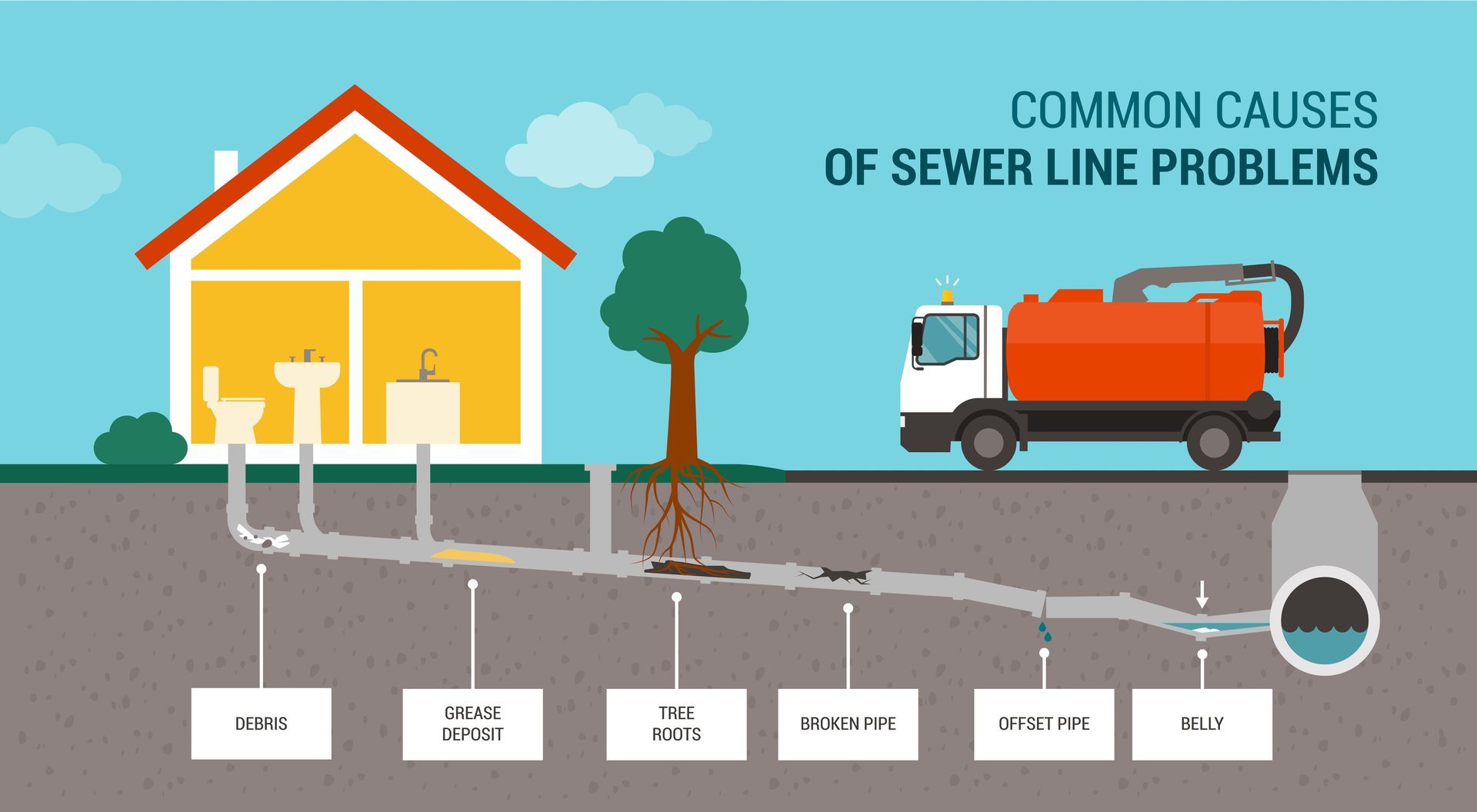
A sewer cleanout is an access point connected to your home's main sewer line. It is typically a capped pipe that allows plumbers to inspect, clear and service the sewer line without having to remove plumbing fixtures inside your home.
During a sewer backup, a plumber can remove the cleanout cap and use that opening to run a drain cable, hydro jetter or sewer camera into the line. This gives them direct access to the pipe so they can locate the blockage, clear the obstruction and check whether the line has damage that may need repair.
Where Is the Sewer Cleanout Located?
There isn't a single location that's used for every home in Arlington and Fort Worth, but there are a few places plumbers commonly look first. Many newer homes have an exterior cleanout located:
- Along the side of the home near the foundation
- In the front yard between the house and the street
- Near a driveway or sidewalk
- Slightly above ground or flush with the surrounding landscaping
If you own an older home and have never noticed a cleanout, don't assume one is missing. It may be a metal fitting instead of PVC, located indoors or hidden beneath landscaping that has been added over the years.
A plumber can usually figure out whether your home has one or where it’s located if you can’t find it. If your home is older and doesn’t have one, they can still access the line by removing a plumbing fixture, such as a toilet.
Why Plumbers Use the Cleanout During a Sewer Backup
The cleanout provides direct access to the home's main sewer line, making it one of the fastest and most effective ways to diagnose and clear a blockage.
Depending on the situation, a plumber may use the cleanout to:
- Run a drain snake through the sewer line
- Perform hydro jetting to remove grease, sludge or debris
- Insert a sewer camera to inspect the condition of the pipe
- Determine where a blockage or damaged section of pipe is located
Keeping sewer line work outside your home is always preferable. It can help reduce mess, limit odors inside the house and make it easier to work on the line without removing a toilet or using another indoor access point.
Even when plumbers are careful, sewer backup work can involve wet equipment, repeated trips in and out of the house and access to plumbing that was not designed to be serviced during an active backup.
It’s better for everyone if that work stays outside.
What Does It Mean If Water or Sewage Is Coming Out of the Cleanout?
Even when the sewer line is blocked, wastewater should not normally be coming out of a properly capped cleanout. If sewage or wastewater is leaking from the cleanout, the cap may be loose, damaged, missing or have already been removed.
Either way, wastewater around the cleanout is usually a sign that the sewer line is not draining properly. Avoid using sinks, showers, toilets and other plumbing fixtures until the backup has been inspected.
Why Keeping the Cleanout Accessible Matters
Because plumbers often rely on the cleanout during a sewer backup, keeping it accessible can help speed up diagnosis and repairs.
If possible, avoid permanently covering the cleanout with concrete, landscaping features or other structures that make it difficult to reach. Decorative rock, mulch or grass around the cleanout generally aren't a problem as long as its location remains visible and it can be uncovered without digging up a large section of your yard.
If you're planning landscaping or another outdoor project, it's worth making sure the cleanout will remain accessible for future service if it's ever needed.
Our Arlington Plumbers Can Fix Your Sewer Line Problems
If your home is showing signs of a sewer line problem, don't wait for the backup to get worse. Call Tom's Mechanical at 817-277-4493 to schedule service.
We'll dispatch a properly equipped plumber to identify the cause of the problem, explain your repair options and get your plumbing system flowing normally again as quickly as possible.
OTHER RECENT POSTS