Why Is My Water Heater Rumbling or Popping?
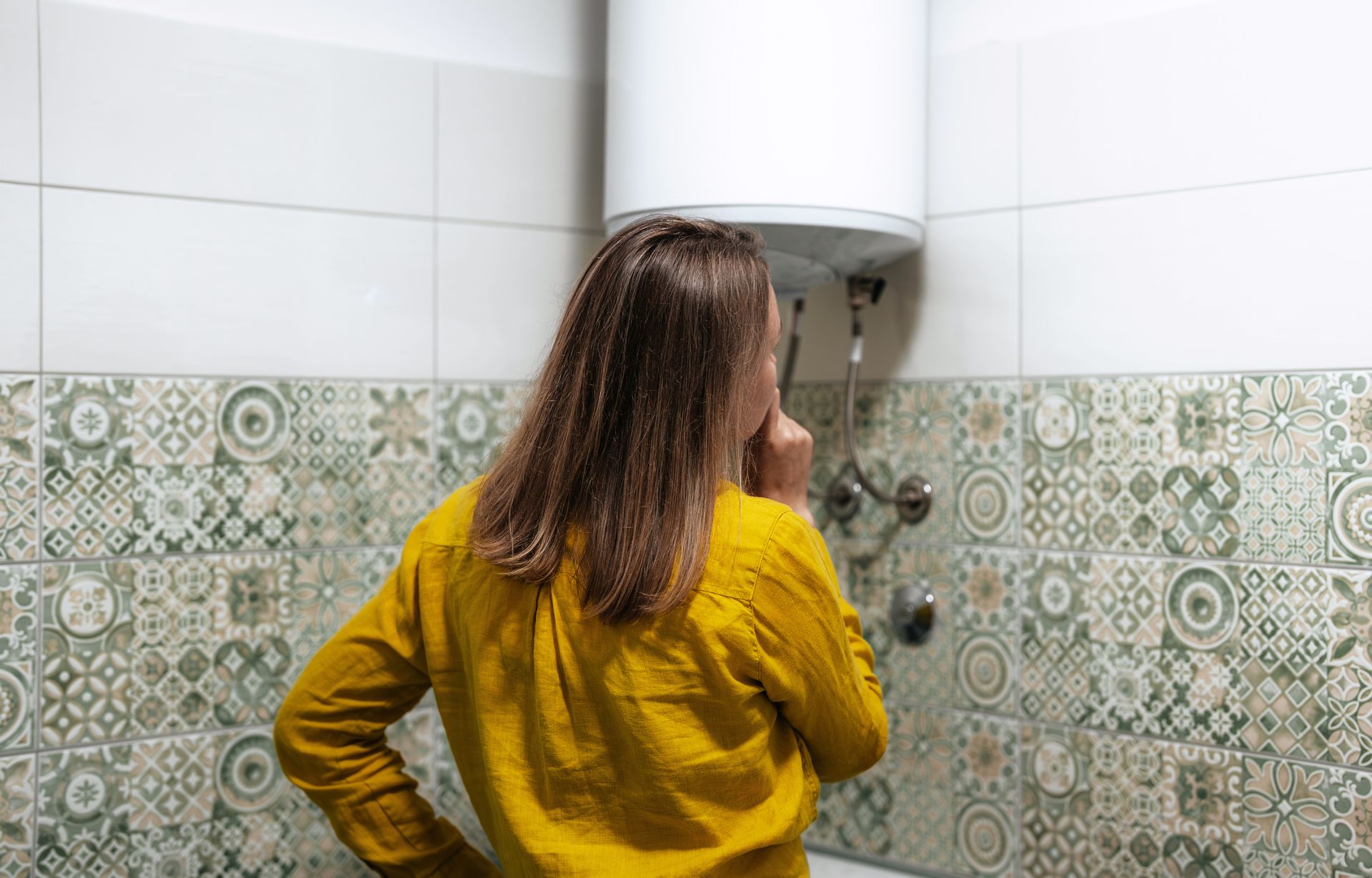
Some noise from a water heater is perfectly normal. Gas water heaters often produce a soft whooshing sound as the burner ignites, while both gas and electric models may make occasional clicking noises as metal components expand and contract during normal heating cycles.
Loud rumbling, popping or crackling sounds are different. These noises are often caused by sediment collecting inside the tank, and they typically become more noticeable as the buildup gets worse.
While the water heater may continue producing hot water for quite some time, heavy sediment buildup can reduce the amount of usable hot water in the tank, slow recovery between uses and .cause the unit to use more energy to heat the water. As the buildup worsens, you may notice that hot water runs out faster than it used to in addition to the new rumbling or popping sounds.
Why Sediment Causes Water Heaters to Make Noise
Arlington and Fort Worth have moderately hard water, meaning it contains dissolved minerals such as calcium and magnesium. As water is heated inside the tank, some of those minerals settle to the bottom and gradually form a layer of sediment.
As the burner or heating elements warm the tank, small pockets of water trapped beneath or within that sediment can rapidly turn into steam. When the steam bubbles force their way through the buildup or collapse, they create popping, rumbling or crackling sounds.
Homes with a whole-home water softener typically experience slower sediment buildup because the water entering the heater contains fewer hardness minerals. While a softener won't remove sediment that's already inside the tank, it can help reduce how quickly additional deposits accumulate.
Why the Noise Usually Gets Worse Over Time
Sediment buildup is gradual, so the sounds often start out quietly and become more noticeable over the course of months or years. As the sediment layer thickens, the water heater has to work harder to transfer heat into the water above it.
The insulating layer of sediment reduces heat transfer, lowering efficiency, increasing energy consumption and lengthening recovery time after hot water is used. Eventually, homeowners may notice that the water heater is making more noise while also taking longer to produce a full supply of hot water.
Is a Rumbling Water Heater Dangerous?
Not usually, but it shouldn't be ignored. In many cases, the water heater will continue operating despite the sediment buildup. However, the additional heat trapped beneath the sediment places additional stress on the tank and heating components.
Addressing the problem before it becomes severe may help improve efficiency and extend the life of the water heater.
Can Flushing the Tank Solve the Problem?
If sediment buildup is identified early enough, flushing the tank may remove much of the accumulated material and reduce or eliminate the noise. Water heaters that have been flushed periodically throughout their lives are generally much easier to clean than those that have gone many years without maintenance.
With heavier buildup, a single flush may not remove all of the accumulated sediment. A plumber may perform multiple fill-and-drain cycles or use the incoming water pressure to help loosen additional deposits. While these methods often improve performance, they may not completely remove years of accumulated sediment.
If the water heater is otherwise in good condition, reducing the amount of sediment inside the tank may improve efficiency, recovery time and the amount of available hot water. However, if the tank is nearing the end of its expected service life or the sediment buildup has contributed to other problems, replacement may be the more practical long-term solution.
When Should You Call a Plumber?
If your water heater develops new rumbling or popping sounds, it's a good idea to have it inspected before the problem becomes worse. You should also contact a plumber if you notice:
- Hot water running out more quickly than it used to
- Longer recovery times between showers or other hot water use
- Rust-colored hot water
- Water leaking from the tank
- A sudden increase in the volume or frequency of the noises
Call Our Arlington Plumbers if You Notice New Sounds or Changes in Water Heater Performance
Some homeowners may be able to perform their own flush, but how easy it is depends on the type of water heater and how much sediment has accumulated.
If your water heater has recently started making rumbling or popping sounds, the plumbers at Tom's Mechanical can identify the cause, recommend the most appropriate repair or replacement option and help restore dependable hot water to your Arlington home.
Call us at 817-277-4493 to schedule service or a water heater inspection.
OTHER RECENT POSTS