Do MERV Ratings Really Matter?
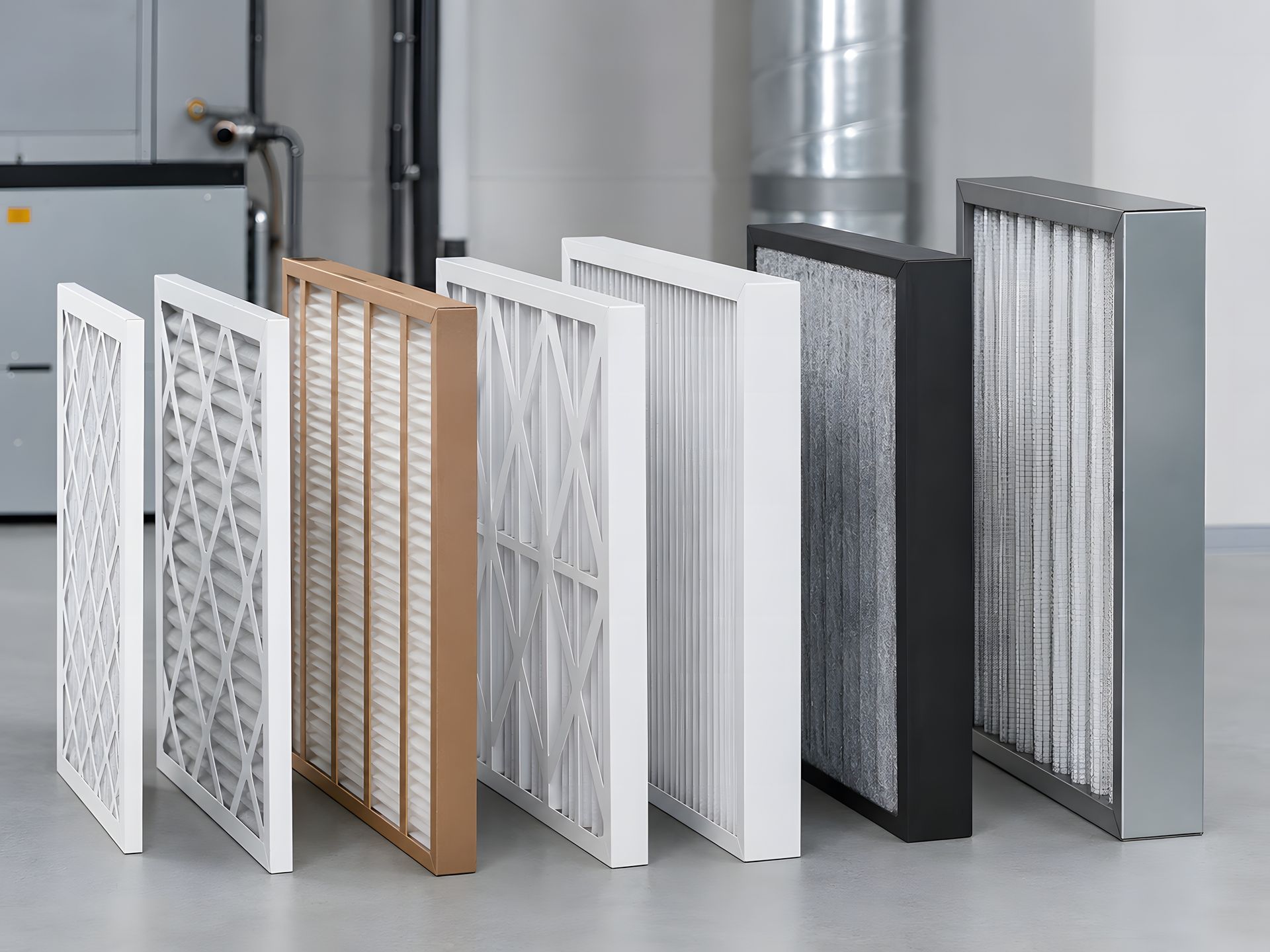
The pricing differences between HVAC filters at the home improvement store can be confusing. It's not unusual to find two filters with the same dimensions but very different prices. Sometimes they're even the same MERV rating.
So what's the difference? Can you buy a thicker filter and replace it less often? Is it worth paying for a higher MERV rating, or would replacing a less expensive filter more frequently provide similar results?
The answers depend on your HVAC system, the filter cabinet it uses and what you're trying to accomplish.
What Does a MERV Rating Actually Measure?
MERV stands for Minimum Efficiency Reporting Value. It measures how effectively an air filter captures airborne particles within specific size ranges. In general, the higher the MERV rating, the smaller the particles the filter is capable of trapping.
However, the MERV rating only measures filtration efficiency. It doesn't tell you whether a particular filter is appropriate for your HVAC system or how it will affect airflow.
Why Higher Isn't Always Better
A higher-MERV filter captures more particles, but it also creates more resistance as air passes through it. Every HVAC system is designed to move a certain amount of air, and installing a filter that is too restrictive can reduce that airflow.
Reduced airflow may affect comfort, increase system run times and make the equipment work harder than necessary. Since not all HVAC systems can maintain proper airflow with higher-MERV filters, the best choice depends on what your system is designed to handle.
Nowadays, you can find MERV 13 filters at most home improvement stores right alongside MERV 8 and MERV 11 filters, making it easier to mistakenly assume they’re functionally interchangeable.
Even more restrictive filters, such as true HEPA filters, generally require specialized equipment rather than serving as a direct replacement for a standard HVAC filter.
What's the Difference Between Filters if They Have the Same MERV Value?
Although there can be a “brand premium” with some of the higher-end filters, the difference isn’t always just in the name.
The MERV rating only measures filtration efficiency. It doesn't tell you how much filter media is inside, how much dust the filter can hold before it needs replacement or how restrictive it will be to your HVAC system.
One manufacturer may pack significantly more pleats into the same 1-inch thickness. More pleats mean more total filtering surface area and a longer service life before clogging. Some companies may use different filter materials, like basic fiberglass-backed synthetic media, dual-layer media or electrostatically charged synthetic fibers.
In other words, two filters with the same MERV rating may capture the same sized particles, but the more expensive one may be designed and constructed to maintain that level of filtration for longer without clogging.
Why Filter Thickness Matters
Most HVAC systems are designed to use a specific filter thickness, whether that's a standard one-inch filter installed in a return grille or a thicker media filter housed in a dedicated filter cabinet.
In many homes, you can't simply install a thicker filter in a return grille, or a thinner one in a filter cabinet, because it won't fit properly.
If your system is designed for a thicker media filter, that larger filter often has considerably more surface area than a one-inch filter. That additional surface area allows air to pass through more easily, meaning a thicker filter with the same MERV rating may actually create less airflow resistance while also lasting longer before it needs replacement.
Can Older HVAC Systems Use MERV 13 Filters?
Some can, and some can't.
The blower, ductwork, filter cabinet and overall airflow characteristics all influence how much filter resistance the system can accommodate. Some newer systems also aren't designed for highly restrictive filters, while certain older systems may be able to use them without issue.
If you’re unsure which filters are safe to buy for your system, ask an HVAC technician during your next scheduled tune-up.
Replacing Your Filter Is Still the Most Important Step
Even the best filter can't do its job if it isn't replaced when it becomes dirty. A clogged filter gradually restricts airflow regardless of its MERV rating, reducing both filtration performance and HVAC efficiency.
Following the manufacturer's recommended replacement schedule and choosing a filter that's appropriate for your system will usually have a greater impact on HVAC performance than simply purchasing the highest-rated filter on the shelf.
Get Advice on HVAC Filters During Your Next Maintenance Visit
A Tom's Mechanical technician can explain your filter options and which work best for your system during an AC maintenance visit. Call us at 817-277-4493 to schedule a tune-up or request service.
OTHER RECENT POSTS