Why Your AC Breaker Keeps Tripping During Summer
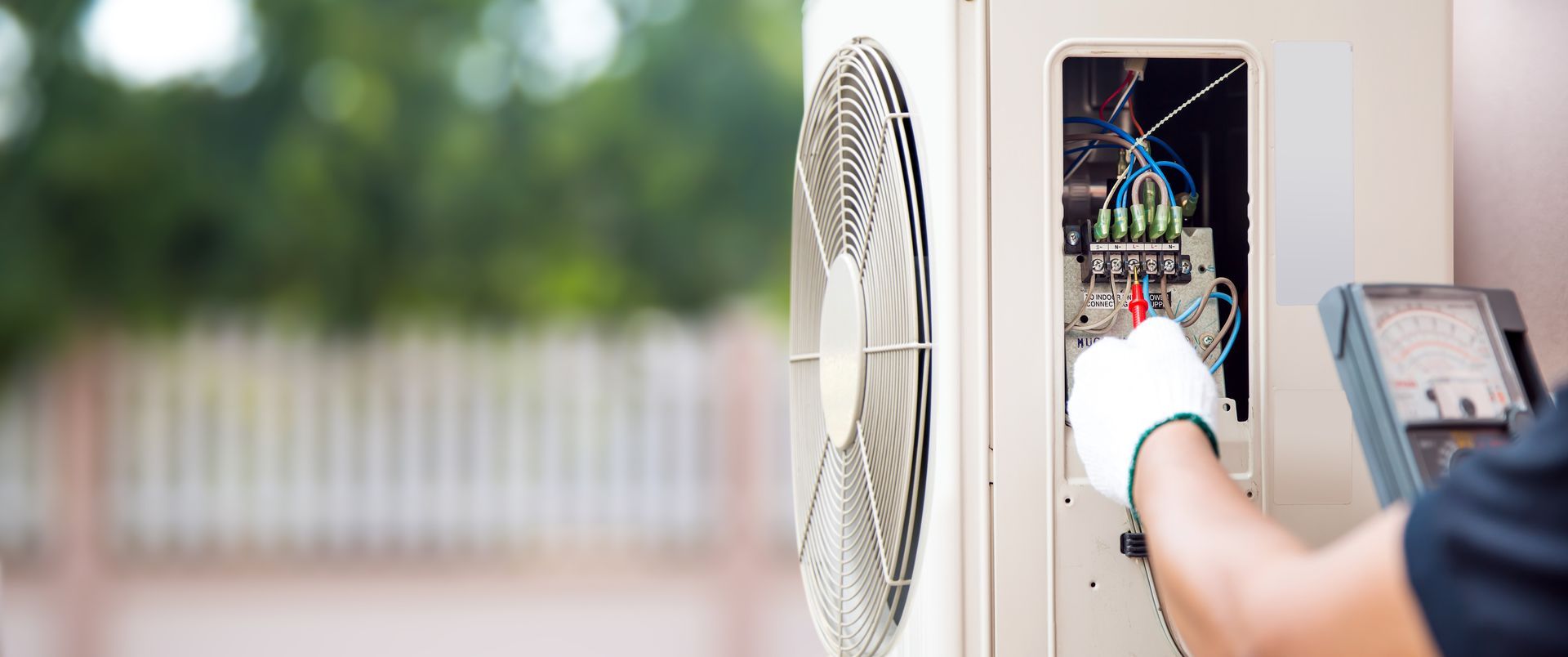
If the AC breaker has tripped, it usually means more electrical current passed through the circuit than the breaker was designed to allow. The breaker shuts the circuit off as a safety precaution before the wiring or equipment overheats.
Sometimes there's a relatively simple explanation. However, if the breaker trips again after being reset, it's usually a sign that something in the air conditioning system needs attention.
Is It Safe to Reset the Breaker Once?
It is usually safe to reset your AC breaker once if it trips unexpectedly. However, you should not reset the breaker, even once, if you notice any burning smells, smoke, or visible damage around the electrical panel or outdoor unit. In those cases, you should call an HVAC company for emergency service right away.
If the breaker trips again shortly after being reset, leave it off and call a technician. Repeatedly resetting the breaker won't solve the underlying problem, and it can place additional strain on components that are already struggling.
Breakers are designed to interrupt excessive electrical current before wiring or equipment overheats, so continuing to force the system to restart increases the risk of additional damage.
Common Reasons Your AC Breaker Keeps Tripping
- Dirty condenser coils: Dirt and debris make it harder for the outdoor unit to release heat, forcing the system to work harder and increasing electrical demand.
- Restricted airflow: A clogged air filter or other airflow restriction can cause the system to run longer and place additional stress on the equipment.
- A weak or failed capacitor: As capacitors wear out, they may struggle to provide the electrical boost needed to start the compressor or condenser fan motor.
- Compressor problems: Compressors that are beginning to fail often draw excessive current, especially during startup.
- Condenser fan motor issues: If the outdoor fan isn't operating properly, heat builds up inside the condensing unit and increases the strain on the system.
- Loose or damaged electrical connections: Worn wiring or failing electrical components can create resistance or intermittent faults that trip the breaker.
Because these issues produce many of the same symptoms, diagnosing the actual cause is much more effective than simply replacing parts based on guesswork.
Could It Be Something Simple?
Not every breaker trip is caused by a major component failure. Before calling an HVAC company, there are a few basic things you can safely check yourself.
- Check your air filter. If it's heavily clogged, replacing it may improve airflow and reduce unnecessary strain on your system.
- Inspect the outdoor condenser to make sure it's free of leaves, grass clippings, weeds and other debris that could restrict airflow.
- Check that supply vents throughout your home are open and not blocked.
If those simple checks don't reveal an obvious problem, the system should be professionally inspected.
When the Problem May Not Be the AC Itself
A tripping AC breaker is usually caused by an issue with the air conditioner, but there can be other potential causes, like the breaker itself, the electrical panel, wiring or another part of your home's electrical system.
If an HVAC technician determines the problem isn’t the capacitor, compressor, fan motor, contactor or another HVAC component, you may need a licensed electrician to complete the repair.
Our AC Repair Professionals Will Diagnose Your HVAC Problem Quickly
If your AC breaker has tripped more than once, Tom's Mechanical can inspect your system, determine what's causing the excessive electrical load and recommend the AC repair that best fits the situation.
Call us at 817-277-4493 for 24/7 emergency service.
OTHER RECENT POSTS