Can Your Existing Ductwork Support a New High-Efficiency HVAC System?
Replacing an older HVAC system is often viewed as a straightforward equipment upgrade. Once the new air conditioner, heat pump or furnace is installed, many homeowners expect better efficiency, lower utility bills and improved comfort throughout the home.
In many cases, that is how it works. However, the air conditioner, furnace or heat pump is only one part of the system. The ductwork that distributes conditioned air throughout the home also plays an important role in overall performance.
If the duct system has airflow restrictions, leaks or design limitations, even a high-efficiency HVAC system may not perform as well as expected.
Why New HVAC Systems Can Have Different Ductwork Requirements
Many older HVAC systems had two settings: on and off. When they were on, they operated at full capacity. Today's high-efficiency equipment often uses variable-speed blowers and multi-stage or variable-capacity technology that allows the system to adjust output based on demand.
These systems are designed to maintain more consistent temperatures, improve humidity control and deliver the same or better performance as older systems while using less energy throughout the day.
Because they often run for longer periods at lower output levels, issues such as airflow restrictions, return-air deficiencies and duct leakage can become more noticeable.
A duct system that performed adequately with an older single-stage unit, or one without variable capacity, may still work with a new system, but the ductwork may reduce the effectiveness of those cutting-edge features.
Why Ductwork Matters More Than Many Homeowners Realize
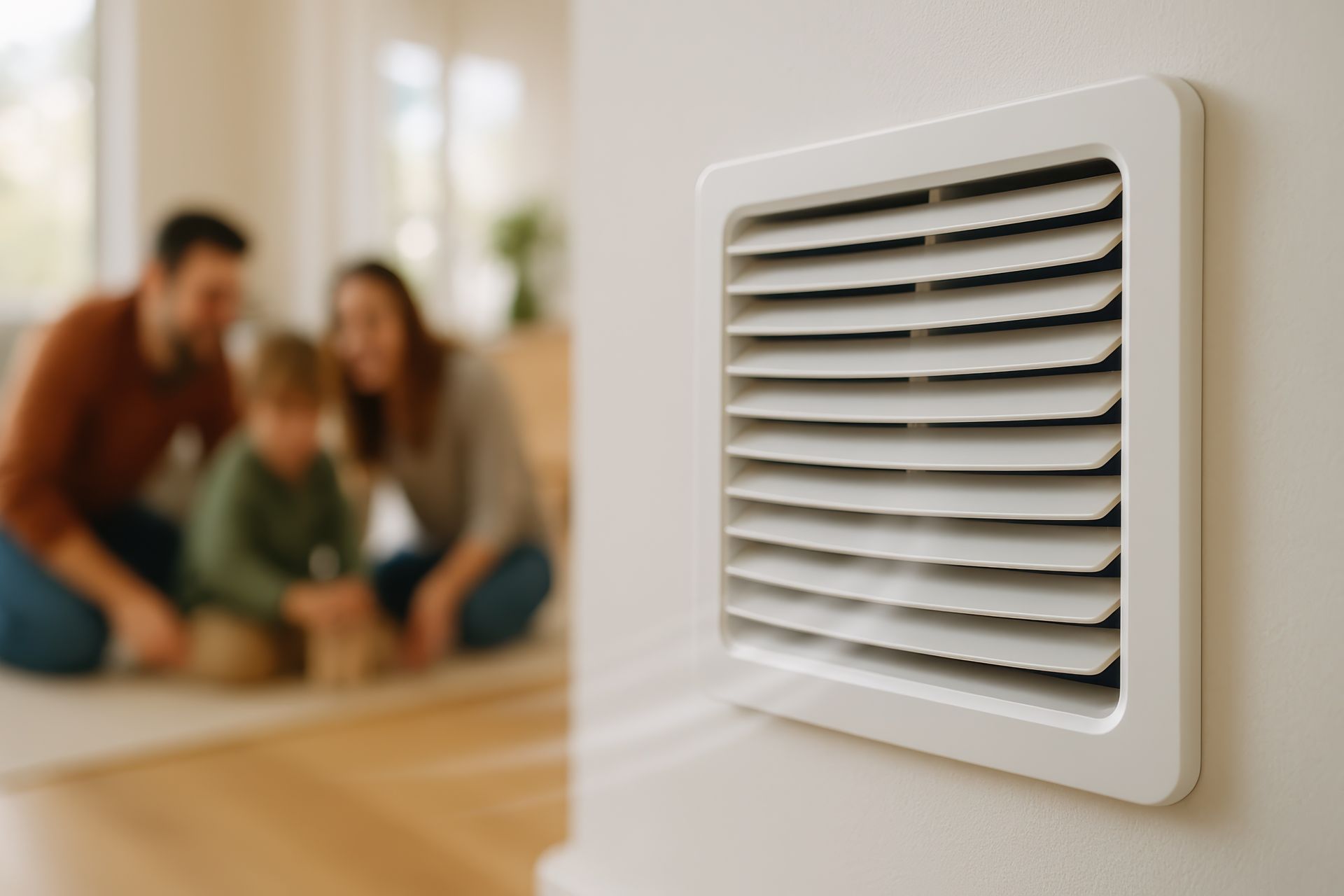
Heating and cooling equipment conditions the air, but ductwork is responsible for delivering it to the rooms that need it.
If conditioned air is leaking into the attic, struggling to reach distant rooms or encountering excessive resistance as it moves through the system, comfort and efficiency can suffer.
In some homes, comfort complaints that are blamed on the HVAC equipment are actually related to ductwork issues that have existed for years.
What Modern High-Efficiency Systems Need From the Ductwork
Adequate Airflow
The equipment needs sufficient airflow across the indoor coil and throughout the home. Restrictions caused by undersized ducts, damaged duct runs or poor design can limit performance.
Proper Return Air
Many homeowners focus on supply vents but overlook return air. Inadequate return air can create pressure imbalances and reduce the system's ability to move air effectively.
Minimal Air Leakage
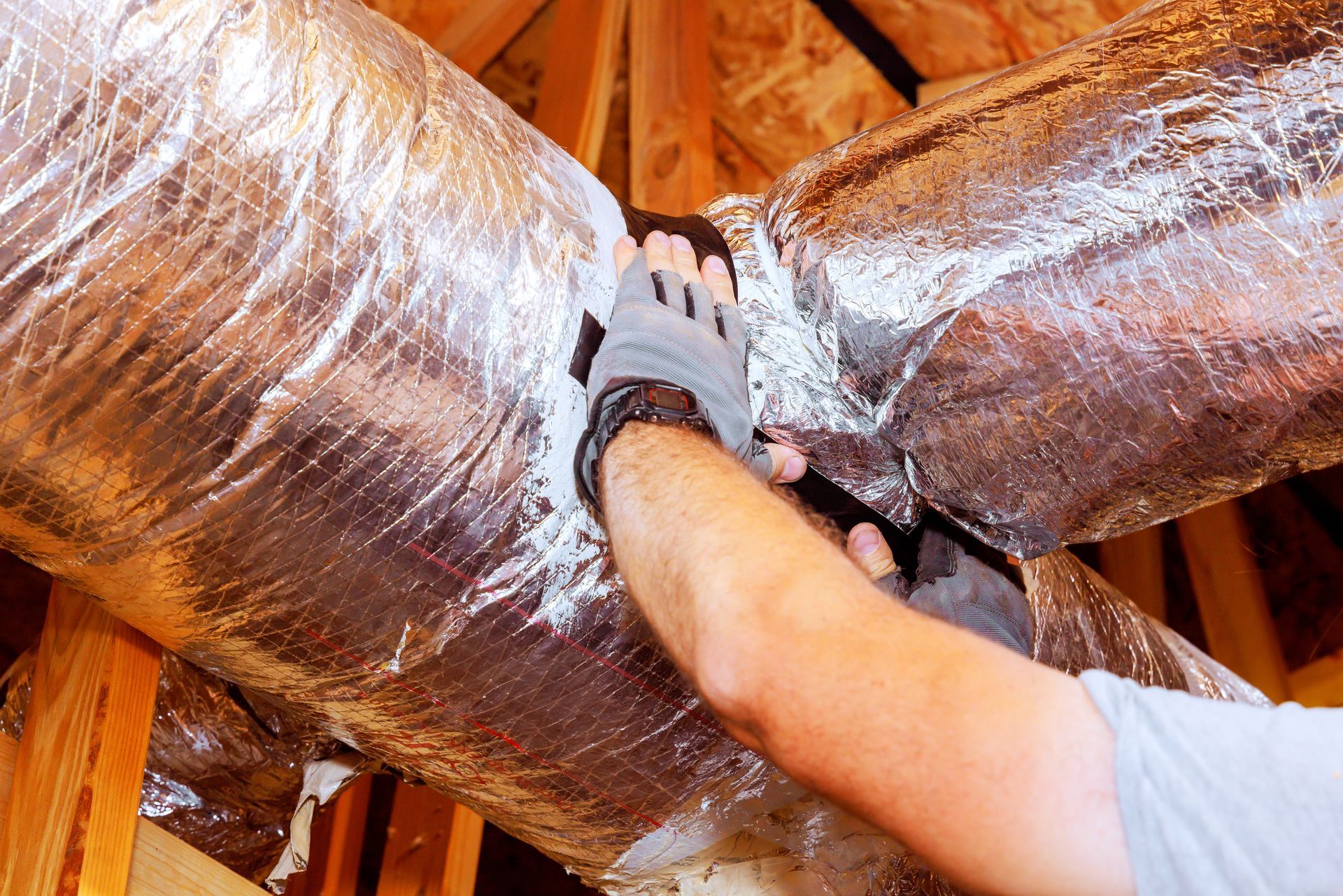
Leaks in attic ductwork can allow conditioned air to escape before it reaches occupied spaces. This forces the system to work harder to maintain comfort.
Effective Insulation
Attic temperatures in Arlington and Fort Worth can become extremely high during summer. Poorly insulated ducts can allow conditioned air to warm up before it reaches the rooms it is intended to cool.
Signs Your Ductwork May Be Limiting Performance
- Certain rooms never seem comfortable
- Weak airflow from some vents
- Excessive dust accumulation
- High utility bills despite replacing equipment
- Persistent hot or cold spots throughout the home
- Comfort issues that remain after a previous HVAC replacement
These symptoms do not automatically mean ductwork replacement is needed, but they may justify a closer inspection, especially after system replacement.
Does Ductwork Need to Be Replaced Every Time You Replace an HVAC System?
No.
Many homes can continue using their existing ductwork without major modifications for several decades. However, ductwork can degrade, be damaged or may just be outdated.
Potential solutions can include:
- Sealing duct leaks
- Improving duct insulation
- Adding return air pathways
- Replacing damaged duct sections
- Modifying airflow to specific areas of the home
Full duct replacement is sometimes appropriate, but it is far from the only option.
Evaluate the Entire HVAC System, Not Just the Equipment
A new high-efficiency HVAC system in Arlington or Fort Worth can provide real comfort improvements you can feel and energy savings you can see on your monthly utility bills, but your investment will perform best when the ductwork supporting it is in good condition.
If you want your current ductwork assessed before or after AC, furnace or heat pump replacement, call Tom’s Mechanical at 817-277-4493.
OTHER RECENT POSTS