Gas Pressure Issues That Show Up During Peak Heating Season
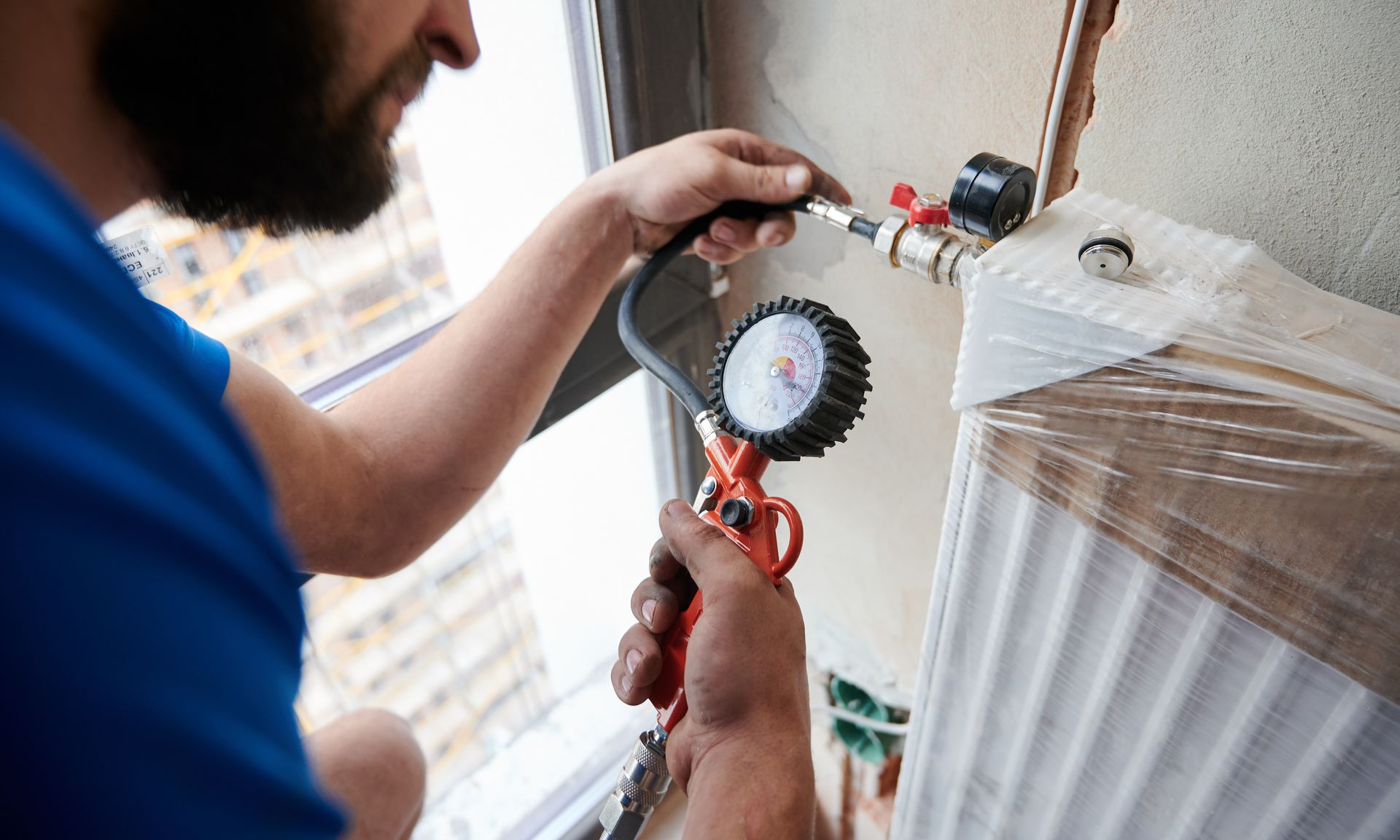
Gas pressure problems tend to surface when heating demand is at its highest. Furnaces run longer, multiple gas appliances operate at the same time and delivery systems are pushed closer to their limits during peak winter conditions.
That added demand is often enough to expose pressure issues that stayed hidden earlier in the season, especially if a home has old, undersized gas piping and newer appliances that require higher input.
Gas pressure issues can be devious because they often manifest with appliances that are technically in good condition. Instead of not working at all, they may experience intermittent ignition issues, unstable burner operation or nuisance shutdowns that only occur during cold weather.
Signs Gas Pressure Is an Underlying Issue
- Ignition failures occur primarily during cold weather
- Burners light and drop out shortly after startup
- Units operate normally when other gas appliances are off
- Repeat lockouts with no obvious component failure
Supply Pressure Versus Appliance Demand
Gas systems don’t just need the right pressure when nothing is running. They need to hold that pressure while all of a home’s gas appliances are operating.
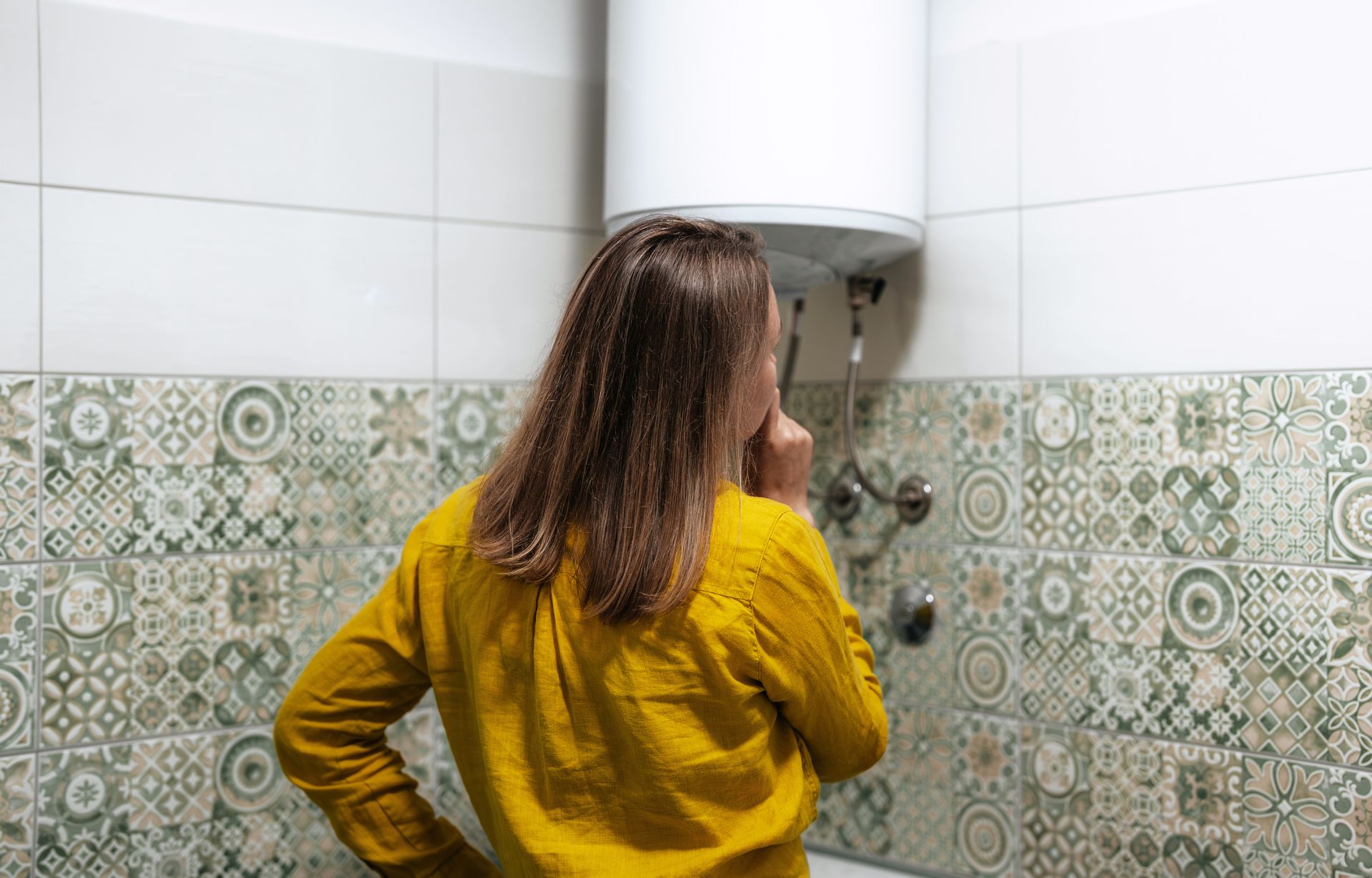
The furnace is rarely the only thing using gas in Arlington and Fort Worth homes. Water heaters, ranges, fireplaces and other appliances are often running at the same time. As more equipment turns on, the total gas demand increases.
If the gas system can’t keep up, pressure can drop just enough to cause problems at the furnace. Ignition may become inconsistent, burners may shut off early or the system may restart repeatedly. From a homeowner’s perspective, it can look like a furnace issue even though the problem is happening upstream in the gas supply.
Undersized or Legacy Gas Piping
Undersized gas piping is one of the most common causes of pressure problems, especially in older homes with newer gas appliances. Common scenarios include:
- An old furnace is replaced with a new model that has higher input capacity
- The addition of tankless water heaters or other gas appliances
- Original piping sized to minimum code requirements
These systems often function without issue during moderate weather or when only one or two gas appliances are operating. Once peak heating demand arrives and multiple appliances fire together, pressure drops across the piping.
A gas heater, which requires stable pressure during ignition, is usually the first appliance to show symptoms.
Regulators That Can’t Hold Under Sustained Load
Over time, the internal components in gas regulators can wear out, leading to less consistent response.
Furnaces require regulators to maintain pressure under continuous flow, so problems that were invisible when gas demand was brief or intermittent may become obvious during the coldest months.
Consistent flow is vital for modern heating systems, and even minor variations can cause delayed ignition, burner dropout or repeated start-stop attempts before finally locking out.
Pipe Length, Fittings and Pressure Drop
Long pipe runs, multiple turns and complex layouts all make it harder for gas to reach the furnace consistently.
Older homes are more likely to run into this problem. Many gas systems were designed for fewer appliances and shorter run times than what’s common in homes today. Newer high-efficiency furnaces also tend to be less forgiving when pressure starts to dip, especially during cold weather.
Cold-Weather Demand Stacking
Problems caused by multiple gas appliances running simultaneously are often inconsistent and difficult to reproduce outside of cold weather, making the issue harder to diagnose.
These kinds of pressure problems are one of the few HVAC issues that actually can disappear on their own, without any intervention, once temperatures begin to rise. But just because a gas pressure problem is intermittent doesn’t mean you should ignore it.
Meter and Service Capacity Limitations
Although less common, gas pressure issues can be related to the meter or the distribution system. Older meters may not be sized for increased loads, particularly in older homes that have newer high-input furnaces or have added multiple gas appliances.
In these cases, pressure problems often coincide with extreme cold and high neighborhood demand. While utility-side issues can occur, they tend to affect multiple properties rather than a single structure.
Is Gas Pressure Causing Your Poor Appliance Performance During the Coldest Months of the Year?
If your gas appliances work fine most of the time and only experience issues during the winter when they are running simultaneously, pressure problems are a likely culprit. The HVAC and plumbing professionals at Tom’s Mechanical can help.
Call us at (817) 277-4493 to schedule an inspection.
OTHER RECENT POSTS