Why Does My Heat Pump Struggle on Cold Mornings?
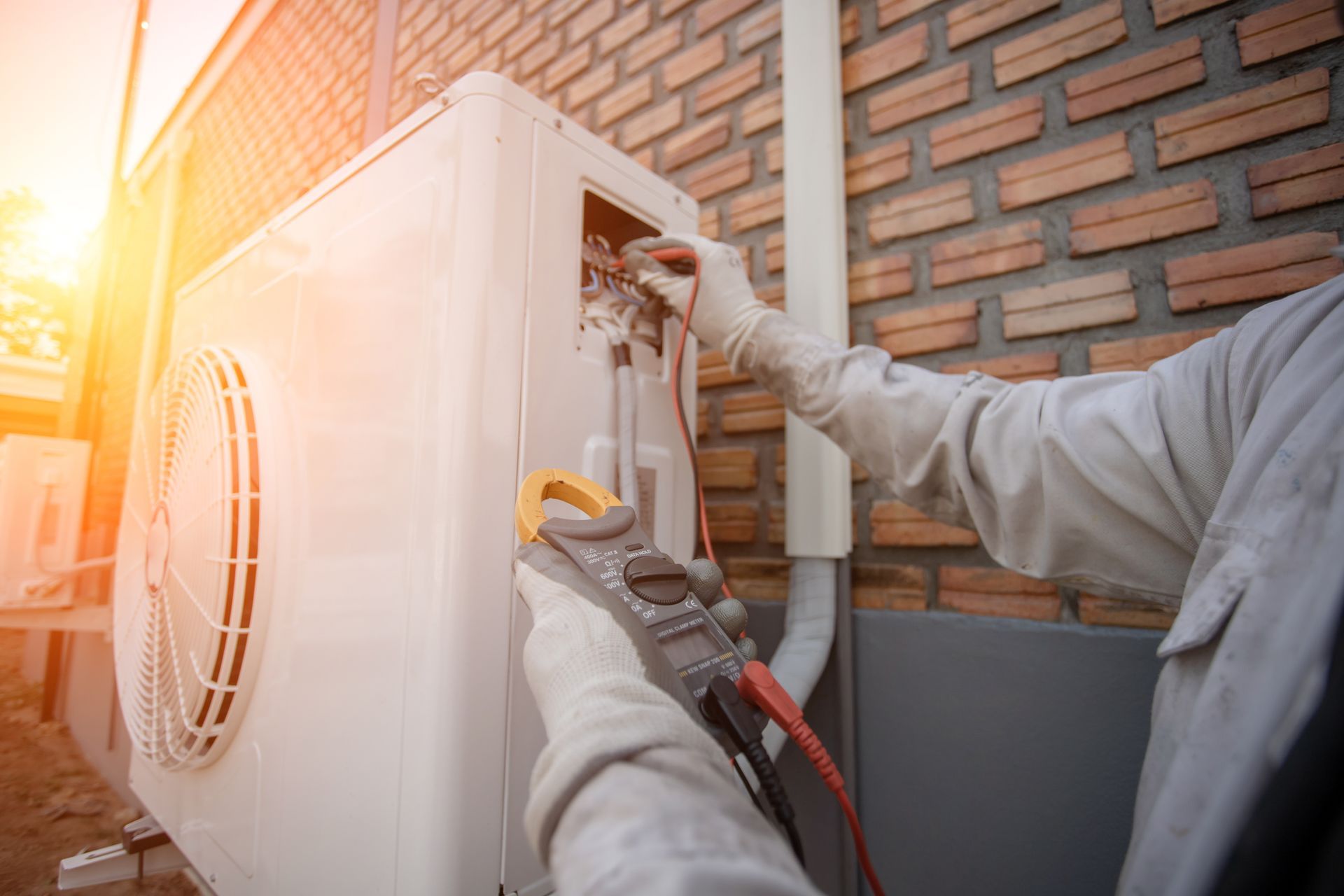
During parts of winter, Arlington and Fort Worth homeowners who rely on heat pumps for heating may notice air from the vents feels cooler, the system runs longer than normal or the outdoor unit pauses and produces visible steam.
These performance changes may seem alarming at first glance, but in most cases, they are normal parts of cold-weather operation in humid conditions, especially between 35 and 45 degrees Fahrenheit.
How Heat Pumps Lose Efficiency on Humid Mornings in the 35 to 45 Degree Range
The outdoor coil typically runs 15 to 25 degrees colder than the outdoor air when the system is heating. That means a morning temperature of 40 degrees can create a coil temperature closer to 15 or 20 degrees.
When you combine that drop with high humidity, moisture in the air freezes on contact with the coil. Even a thin layer of frost reduces the coil’s ability to absorb heat, which forces the heat pump to run longer. Supply air during these periods often feels cooler, even while the system is technically operating as intended.
These conditions are particularly common in Arlington and Fort Worth because cold fronts often bring damp air that sits near the ground until the sun begins to warm the area later in the morning.
Why Defrost Cycles Increase Even When It Is Not Freezing Outside
Because frost can form due to coil temperature rather than air temperature, defrost cycles may activate at outdoor temperatures well above freezing. Defrost mode is a built-in process that briefly reverses operation to melt the accumulated frost so the system can return to normal heating.
During defrost, you may notice a short period of cooler air coming from the vents, a pause in heating or steam rising from the outdoor unit. These effects are normal and do not automatically mean the auxiliary heat strips are running. Most systems do not turn on auxiliary heat unless indoor temperatures drop noticeably or the thermostat calls for additional support.
Multiple defrost cycles during a cold, humid morning can be normal because moisture continues to condense on the coil until conditions begin to dry out.
When Heat Pump Struggles May Indicate an Actual Problem
Telling the difference between normal cold, humid weather operations and an actual warning sign of heat pump problems isn’t always easy. Cold weather can reveal issues that were not noticeable in milder conditions, including:
- Frost that does not clear from the coil after a defrost cycle
- The outdoor fan not running during heating mode
- Frequent short cycling instead of steady operation
- Rooms falling several degrees below the thermostat setting
- Ice forming on refrigerant lines
- Defrost cycles occurring back-to-back
These symptoms may indicate a failing sensor, low refrigerant levels, restricted airflow or a malfunction in the defrost control system. Unfortunately, some of these conditions are difficult to spot for the average homeowner. If your heat pump’s performance seems to be abnormal or has changed since last heating season, it may be a good idea to call Tom’s Mechanical.
Why Heat Pumps May Appear Weaker During Some Winter Mornings in Arlington and Fort Worth
Cold, humid mornings can exacerbate some HVAC problems in your home, meaning even if your heat pump is working properly, you still notice performance problems. Older thermostats without heat pump-specific programming, leaky ductwork, ineffective attic insulation or system placement issues (like north-facing outdoor units that remain shaded all morning) can contribute to slow heating performance.
Heating can take longer if your system was sized primarily for summer cooling, particularly when borderline temperatures are combined with high humidity.
Find Out if Your Heat Pump’s Performance is Due to an Actual Malfunction
If your heat pump seems to struggle during cold mornings or shows signs of irregular defrost behavior, a Tom’s Mechanical HVAC technician can confirm whether the system is reacting normally to the weather or experiencing a real problem. Call us at 817-277-4493 to schedule a maintenance visit in Arlington or Fort Worth.
OTHER RECENT POSTS