When a Drain Problem Is Actually a Sewer Line Problem
Most drain problems start with a single fixture, like a slow-draining sink, clogged toilet or backed-up shower. With a normal clog, the issue is usually limited to that one drain and can be cleared locally. A pattern of drain or toilet problems can indicate a much more serious issue deeper in your home’s plumbing system.
When the main sewer line begins to develop a restriction, the symptoms usually show up through how drains behave throughout the home.
Why Drain Performance Is the Best Indicator of Sewer Line Health
Every drain in the house eventually connects to the same main sewer line that carries wastewater away from the home. Individual fixtures connect to smaller branch lines, which then tie into the main line before exiting the house.
Because of this layout, the sewer line influences how water flows through many fixtures at once. Wastewater cannot move away from the home as quickly as it should when the line is partially restricted.
That is why plumbers often look at overall drain behavior when evaluating whether a sewer line problem may be developing.
Slow Drains in Multiple Fixtures
A slow sink or shower usually points to a clog in that specific drain. Hair, soap buildup or debris can block the trap or branch line serving that fixture.
When several drains slow down around the same time, the cause may be farther down the plumbing system. For example, homeowners may notice that a bathroom sink drains slowly while a nearby tub also takes longer to empty.
Although it’s possible for multiple drains to simultaneously suffer localized blockages, these patterns almost always occur when a blockage in the sewer line begins restricting the flow of wastewater from your home.
Recurring Clogs That Keep Coming Back
Occasional clogs are normal in most homes. Even when your whole household practices good drain discipline, it’s almost impossible to completely prevent hair and soap buildup in bathroom drains, or grease and food debris buildup in kitchen drains.
One-off clogs or slow drains aren’t emergencies, but you should call a plumber if the same drain continues clogging repeatedly even after it is cleared.
That may indicate a partial blockage deeper in the sewer line that is allowing some wastewater to pass while still trapping debris.
Over time, this restriction can cause clogs to return more frequently.
Gurgling Sounds From Drains or Toilets
Strange sounds in the plumbing system can also signal developing sewer line problems.
Homeowners may hear gurgling or bubbling sounds when water moves through nearby drains. A toilet may bubble when a sink drains, or a shower may gurgle after flushing.
These sounds occur when air becomes trapped in the plumbing system as wastewater tries to move past a restriction in the sewer line.
Water Appearing in Unexpected Fixtures
One of the clearest signs of a sewer line blockage is water appearing in fixtures that are not in use.
For example, flushing a toilet may cause water to rise in a shower drain, or running a washing machine may cause a nearby floor drain to back up.
There can be other potential causes, like a blocked vent pipe or a localized blockage in a bathroom’s branch line, but sewer line blockages are the most common cause.
When wastewater cannot move freely through the main sewer line, it may be pushed back through other drains in the house.
When to Have Your Sewer Line Inspected
If multiple fixtures are suffering drain problems simultaneously, or you’re regularly trying to clear slow or clogged drains, there’s some kind of problem in your pipes.
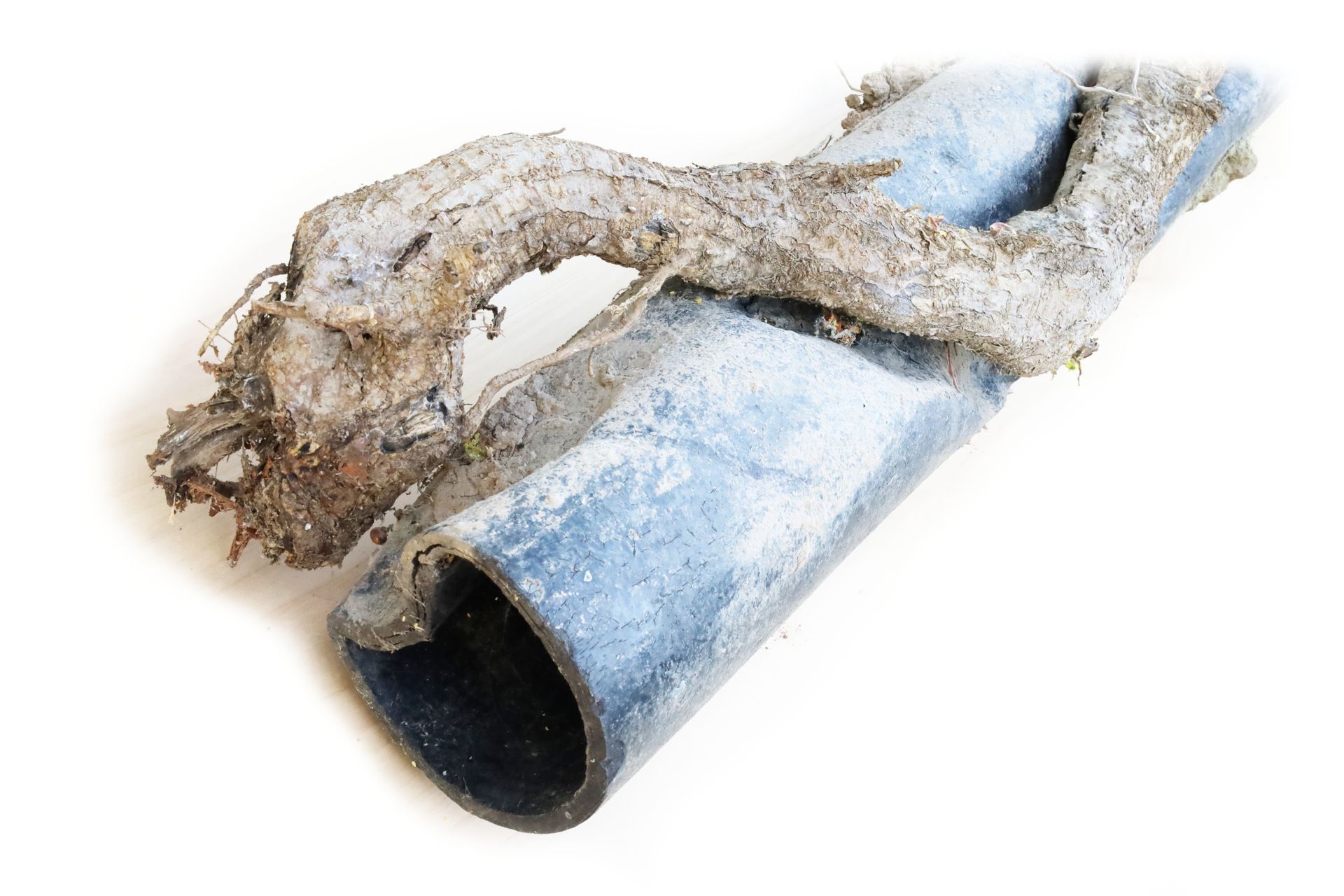
A certified plumber can perform a sewer line camera inspection to determine whether the issue is caused by buildup, root intrusion or pipe damage.
Identifying the location and cause of the blockage helps determine whether the line can be cleared or if sewer line repair or replacement is needed.
Tom’s Mechanical can inspect your plumbing system and identify the cause of the problem. Call (817) 277-4493 to schedule sewer line service.
OTHER RECENT POSTS