What Is a Damper in an HVAC Unit?
Arlington homes rely on their heating, ventilation and air conditioning (HVAC) system to maintain indoor comfort and air quality. Among the various components that make up an HVAC system, one of the critical yet often overlooked parts is the damper.
HVAC dampers play a vital role in regulating airflow and ensuring that different areas within a home receive the appropriate amount of heating or cooling.
Definition and Functionality
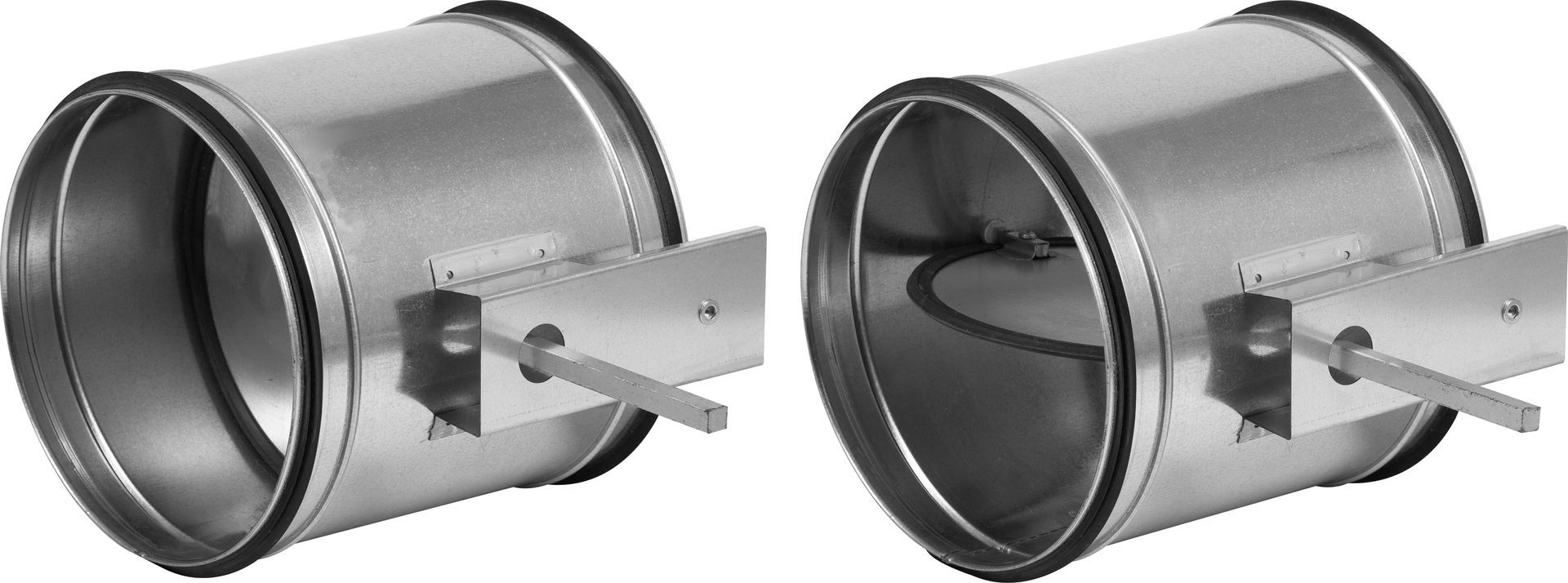
An HVAC damper is a movable plate or valve placed within the ductwork of an HVAC system. Its primary function is to regulate airflow by opening, closing or partially obstructing the duct, thus controlling the volume of air that passes through.
Dampers are used to direct airflow to specific zones or areas in a building, which can help maintain a balanced and comfortable indoor environment.
Types of HVAC Dampers
- Manual Dampers: These dampers are adjusted by hand and are commonly used for basic airflow control. A lever or handle allows homeowners or an HVAC technician to open, close or adjust the damper's position manually. Standard register grilles found in Arlington homes typically have a damper lever that residents can adjust on their own. Whether you should adjust these dampers is debatable.
- Automatic Dampers: Equipped with motors and controlled by a thermostat or a zoning system, automatic dampers can adjust airflow without manual intervention. They are usually located inside ductwork and are not visible to a home’s occupants.
- Zone Dampers: Specifically designed for zoning systems, zone dampers control airflow to different zones within a building. They are usually controlled by a central control panel and individual thermostats for each zone.
- Fire Dampers: Installed in ductwork passing through fire-rated walls or floors, fire dampers automatically close when a certain temperature is reached to prevent the spread of fire and smoke.
- Backdraft Dampers: These dampers prevent reverse airflow in HVAC systems, ensuring that air flows in the intended direction only.
The Role of Dampers in Zoning Systems
A zoning system divides a building into multiple zones, each with its thermostat and control. This setup allows for individualized temperature control in different areas of the building, providing enhanced comfort and energy efficiency. Zoning systems are particularly beneficial in larger buildings or homes with varying heating and cooling needs in different areas.
How Dampers Work in a Zoning System
- Zone Thermostats: Each zone has its thermostat, which monitors the temperature and sends signals to the central control panel.
- Central Control Panel: The control panel receives input from all zone thermostats and determines which dampers need to be adjusted to meet the desired temperature settings in each zone.
- Damper Adjustment: Based on the control panel’s instructions, the automatic dampers open or close to direct airflow to the appropriate zones. For instance, if one zone requires cooling while another does not, the damper for the cooling zone will open while the others remain closed or partially closed.
Benefits of Using Dampers in a Zoning System
- Enhanced Comfort: By allowing individualized temperature control in different zones, dampers help maintain a consistent and comfortable environment throughout the building. Occupants can set their preferred temperatures in various areas without affecting other zones.
- Energy Efficiency: Dampers help optimize HVAC system efficiency by directing heating or cooling only to the areas that need it. This targeted approach reduces energy waste and can lead to significant cost savings on utility bills.
- Improved System Performance: By managing airflow more effectively, dampers reduce the workload on the HVAC system. This can extend the lifespan of the equipment and reduce the need for frequent repairs or maintenance.
- Flexibility: Dampers provide flexibility in managing indoor climates, making it easier to accommodate varying occupancy levels and preferences in different areas of the building.
Do You Want to Learn More About Zoned Home HVAC Solutions in Arlington, TX?
If you're looking to enhance the efficiency and comfort of your home’s HVAC system, trust the experts at Tom’s Mechanical Inc. in Arlington, TX. Our skilled technicians are equipped to handle all your HVAC needs, from installation and maintenance to zoning system implementation.
Contact us today to schedule a service appointment or to learn more about how we can help you optimize your HVAC system by giving us a call at 817-277-4493.
OTHER RECENT POSTS