Why Does My Furnace Make a Boom or Bang When It Starts?
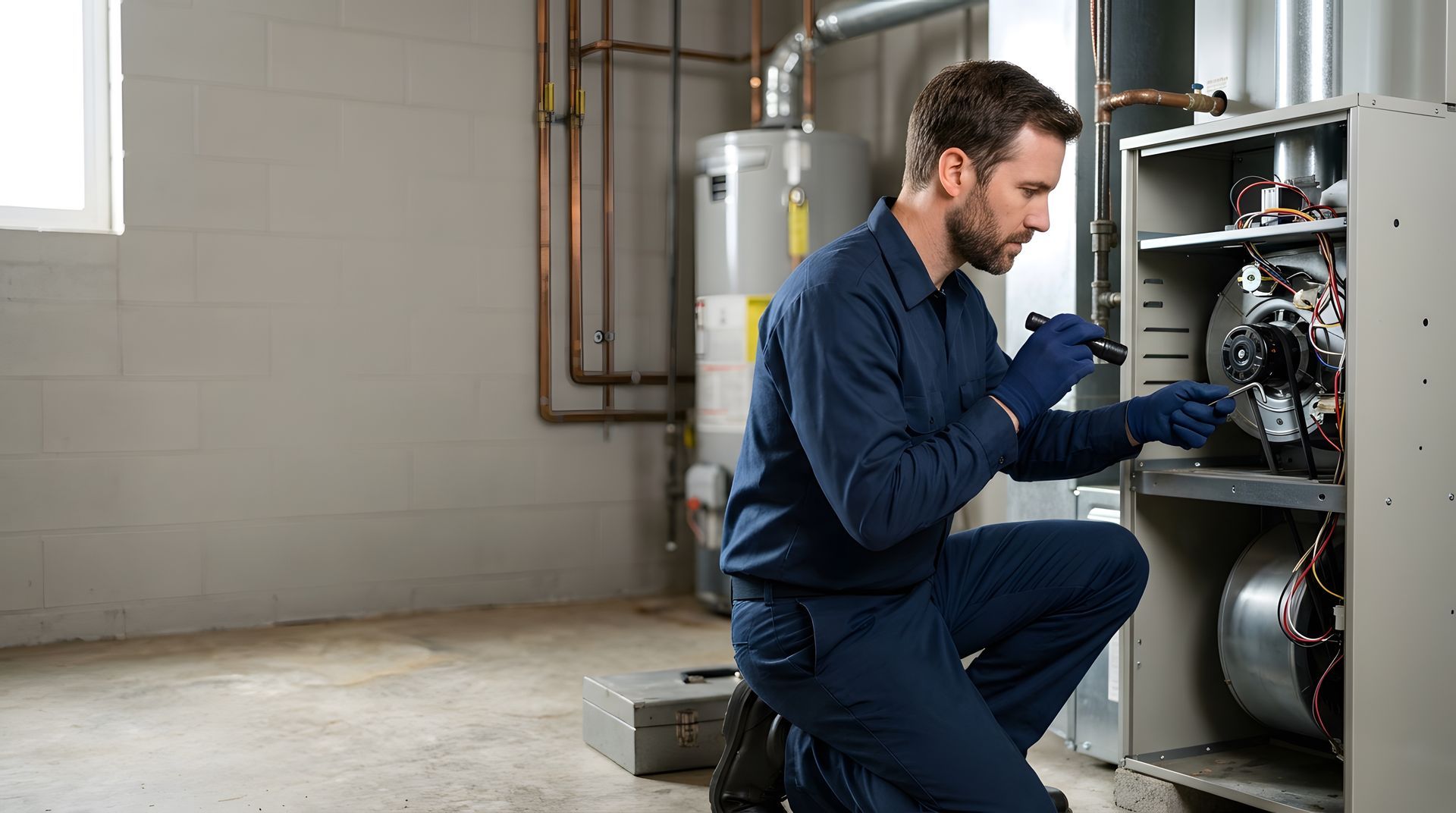
A boom or bang when your furnace starts can come from the furnace itself or from the ductwork. The timing of the noise can provide an important clue about what is happening.
A new boom that occurs as the burners ignite can indicate an ignition problem that should be inspected. A bang or pop from the ductwork after the blower starts may simply be caused by sheet metal flexing as the ducts heat up and air pressure changes.
A Boom When the Burners Ignite Can Mean Delayed Ignition
Furnace ignition problems often take one of two forms: the burners do not ignite at all, or they ignite later than they should.
When the burners fail to ignite, the furnace may attempt the ignition sequence again before eventually entering a lockout mode that prevents further attempts.
Delayed ignition is different. The gas does ignite, but not as quickly as it should. This can allow a small amount of unburned gas to accumulate before it ignites, sometimes producing a noticeable whoosh, pop or boom.
A recurring boom from inside the furnace when the burners light should not be considered a normal startup sound.
What Causes Delayed Furnace Ignition?
Several problems can potentially interfere with the normal ignition process:
- Dirty or obstructed burners
- Faulty ignition system components
- Burner alignment issues
- Problems with gas pressure or delivery
Because delayed ignition involves the furnace's combustion system, determining the cause is a job for an HVAC technician.
If your furnace is igniting after making a new popping or whooshing sound, call Tom’s Mechanical as soon as possible. Ignoring the problem can place unnecessary stress on furnace components and may lead to premature failure.
A Bang After the Blower Starts May Be Coming From the Ductwork
Not every bang during furnace startup comes from the furnace.
Sheet-metal ductwork expands as it warms and can also flex in response to changes in air pressure when the blower starts. In some homes, that movement produces a distinct pop or bang. The ductwork may make another noise as the system shuts down and the metal cools or returns to its original position.
If you have heard essentially the same noise every time the furnace runs for years, it may simply be a characteristic of the duct system rather than a developing furnace problem. If it’s something you’ve grown used to and it isn’t disrupting sleep or bothering anyone, the noise is probably nothing to worry about.
A new banging sound deserves more attention. The same is true if a familiar duct noise suddenly becomes substantially louder or starts happening more frequently.
Why Can Airflow Problems Make Ductwork Bang?
Air pressure inside the duct system changes when the furnace blower turns on. If pressure becomes high enough, a relatively flexible section of sheet metal may move suddenly and produce a popping or banging sound.
Restricted airflow can contribute to these pressure changes. A heavily clogged air filter, closed or obstructed registers or problems with the duct system itself may make existing duct noises more noticeable.
An HVAC technician can determine whether a new banging noise is simply the ductwork moving or a sign of an airflow problem that needs to be corrected.
Should You Turn Off a Furnace That Makes a Boom When It Starts?
It depends on where the sound is coming from and when it occurs.
A familiar pop from the ductwork after the blower starts is very different from a sudden boom inside the furnace as the burners ignite. If you hear a new or unusually loud boom during ignition, turn the furnace off and have it inspected before continuing to use it.
You should also stop using the furnace and seek service if the noise is accompanied by a gas smell, unusual burner behavior or another sign that the furnace is not operating normally.
Schedule Fast Furnace Repair in Arlington
If your furnace has started making a new boom, bang or other unusual noise, call Tom's Mechanical at (817) 277-4493. Our technicians can determine whether the noise is coming from the furnace, burners or duct system and identify the underlying cause.
OTHER RECENT POSTS