How Spring Remodeling Projects Can Affect Your Home’s HVAC and Plumbing Systems
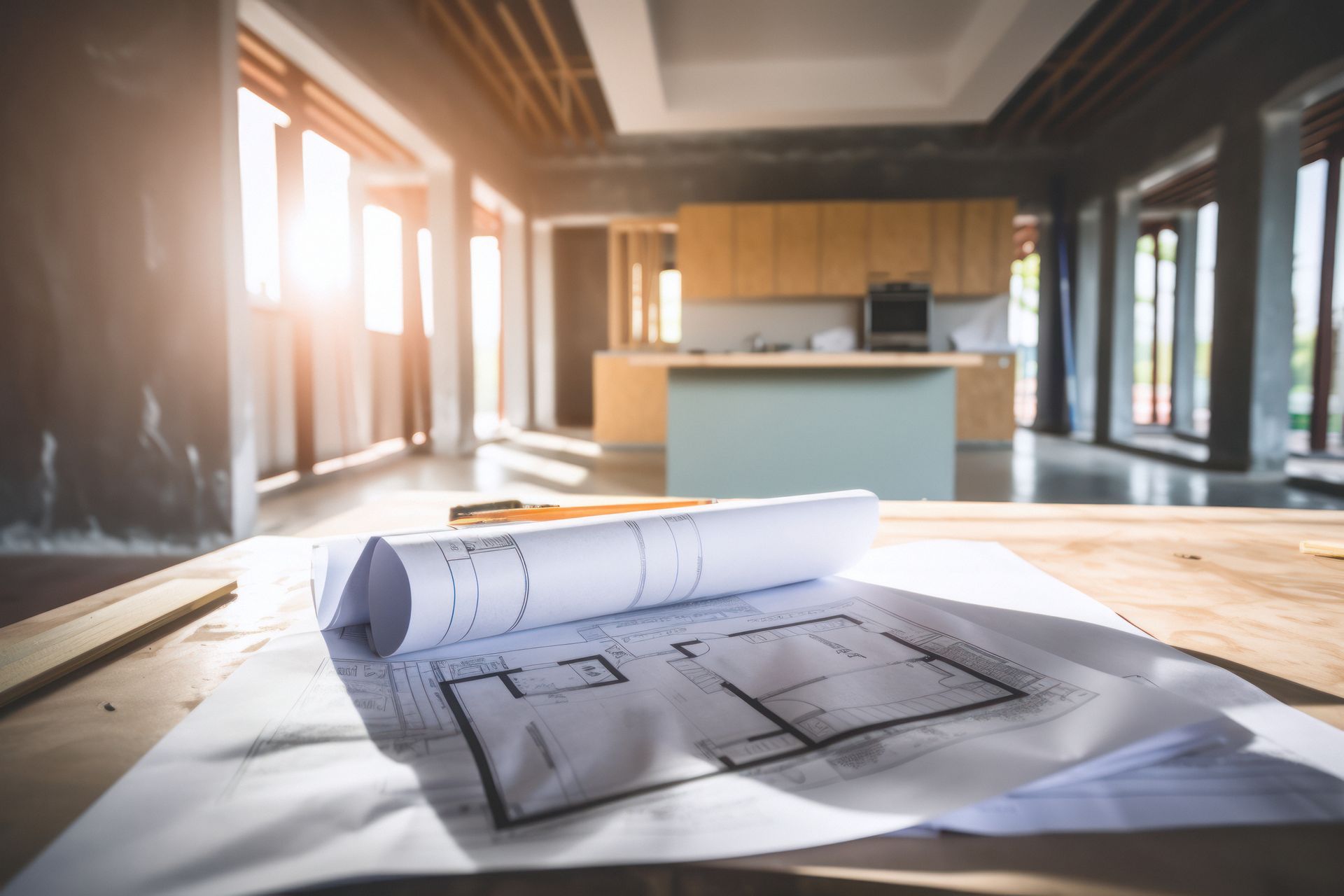
Warmer weather and longer days, before the triple digit temperatures of summer, make Spring the ideal time to take on kitchen renovations, bathroom upgrades, flooring replacements or room additions.
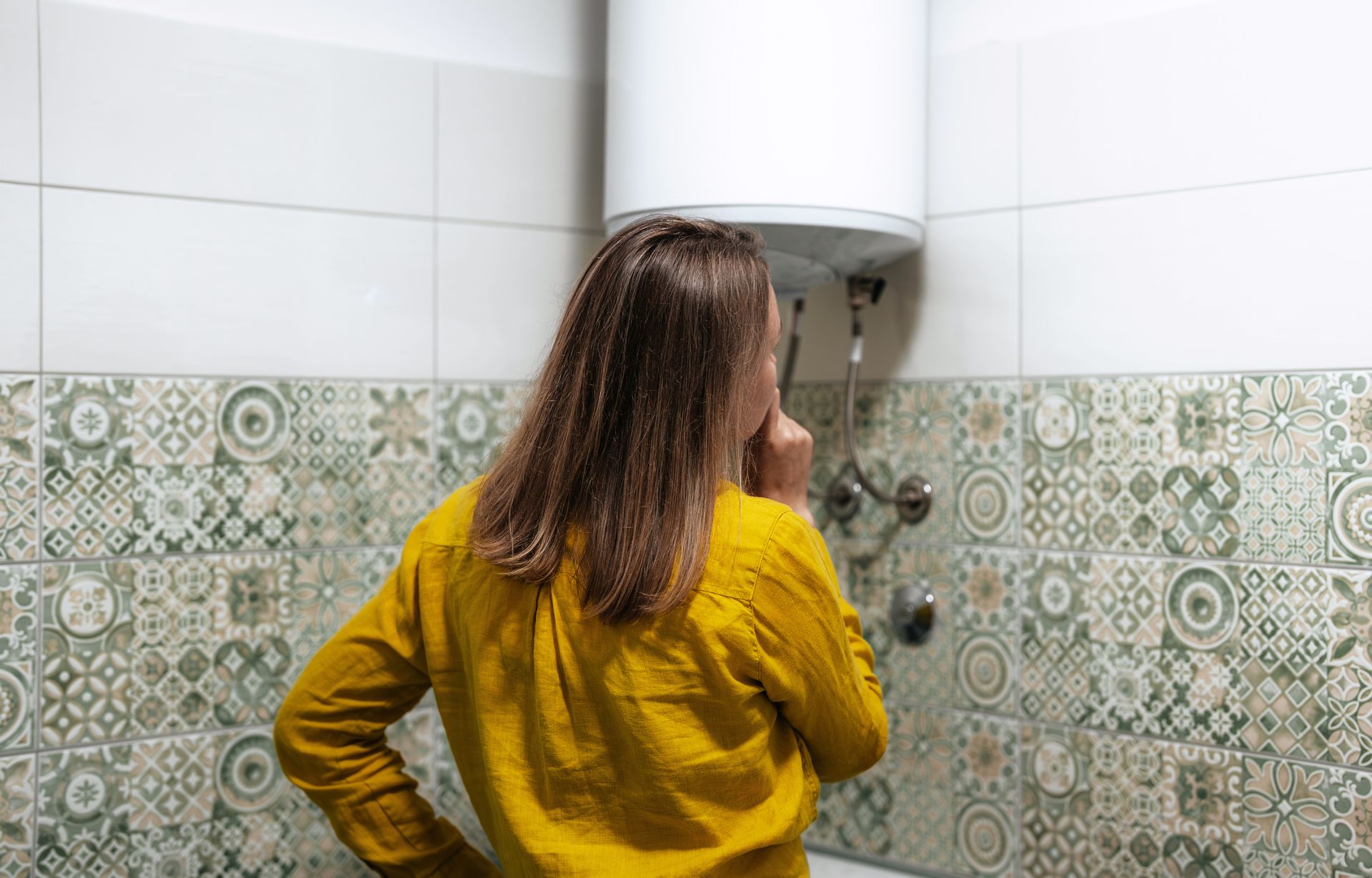
While these projects are good and often necessary, they come with some inconveniences and negative side effects, like how they affect your HVAC and plumbing systems. Construction dust, layout changes and work near existing pipes or ductwork can all influence how these systems perform during and after the project.
Why Remodeling Work Can Affect HVAC and Plumbing
Remodeling projects often involve opening walls, ceilings or floors where HVAC ducts, plumbing lines and mechanical connections run.
Even when HVAC or plumbing systems are not the focus of the project, construction activity can still affect that infrastructure. Dust, debris and changes to the home’s layout can alter airflow, impact drain performance or expose older or damaged components that were previously hidden behind walls.
On the one hand, temporary access to ducts or pipes that have never been fixed or upgraded can give you a great opportunity to address issues. On the other, those types of unexpected discoveries raise project costs, sometimes by a lot.
Construction Dust and HVAC Systems
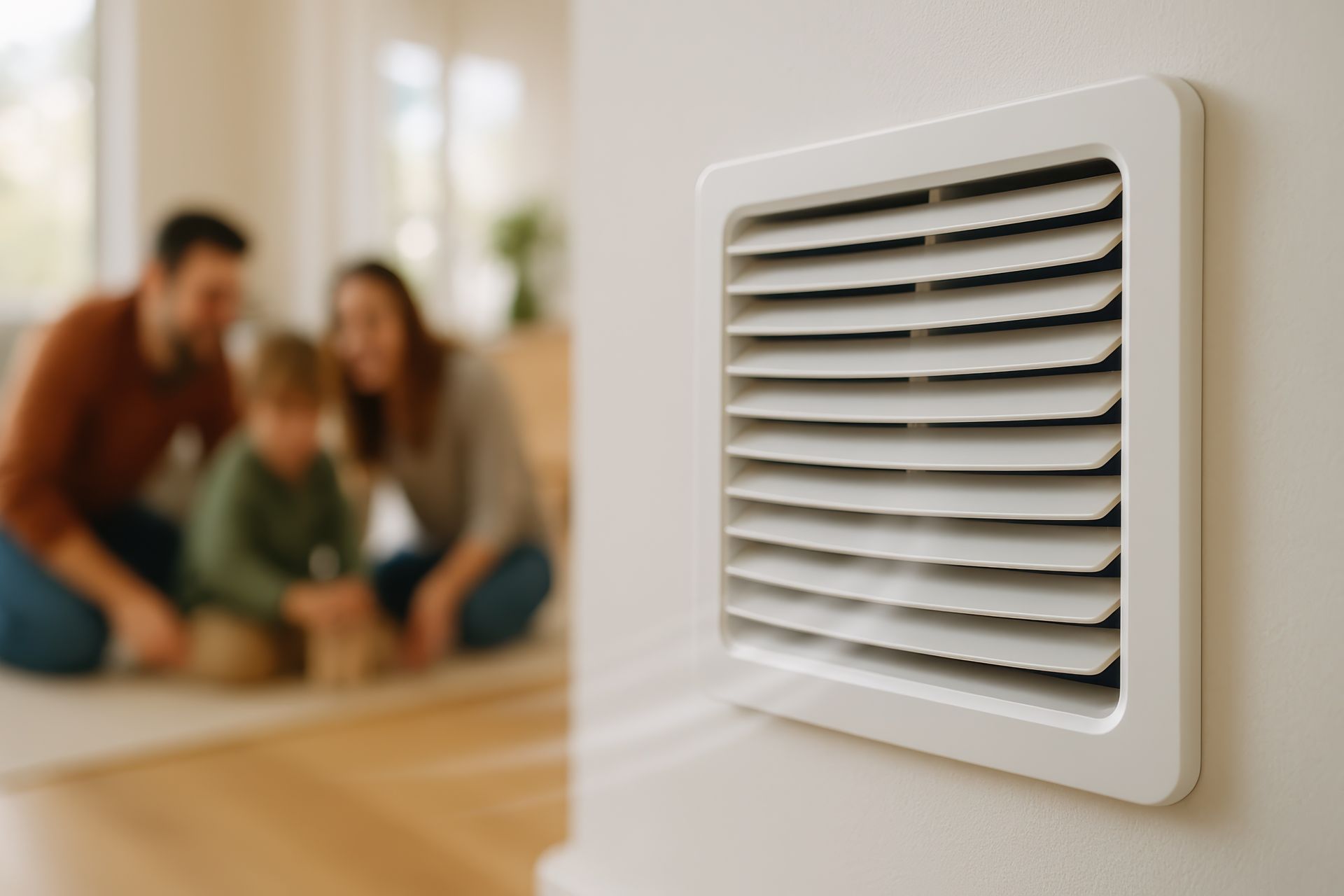
Drywall sanding, demolition and cutting materials can produce a large amount of fine dust. Without precautions, that dust can enter the HVAC system and circulate through the home. Common dust-related issues include:
- HVAC filters clogging more quickly during construction
- Dust entering return vents and circulating through the ductwork
- Reduced airflow if filters become heavily loaded with debris
Some of the dust that settles inside ducts and registers can be a health risk, such as silica, drywall, wood or fiberglass insulation dust.
During major projects, it is often helpful to:
- Cover supply and return vents near active work areas
- Replace HVAC filters more frequently
- Avoid running the system during heavy demolition
Layout Changes Can Affect Airflow
Remodeling projects sometimes change how air moves through the home. Examples include:
- Removing interior walls
- Finishing previously unused spaces
- Adding rooms or expanding existing ones
- Raising or lowering ceilings
These changes can alter how air distributes throughout the home. Rooms may receive more or less airflow than before, and the thermostat location may no longer reflect the average temperature in the house.
After larger remodeling projects, some homes benefit from small adjustments to duct dampers or airflow balancing to restore consistent comfort.
Plumbing Lines Are Often Exposed During Renovations
Projects involving kitchens, bathrooms or laundry areas frequently require opening walls or cabinets that contain plumbing lines. During these projects, contractors may encounter:
- Older pipes or fittings that were hidden behind walls
- Shutoff valves that have not been used in years
- Supply lines that need repositioning for new fixtures
Demolition work can occasionally damage pipes or loosen older fittings. In other cases, small leaks may only appear after the plumbing system is turned back on once the work is complete.
Homeowners should keep an eye on plumbing fixtures and new drywall over areas where work was performed for a few days after a remodeling project.
Construction Debris Can Affect Drain Lines
Construction debris can accumulate in plumbing lines and create slow drains after the project is finished. Common examples include:
- Drywall compound
- Grout or tile mortar
- Sawdust and sanding debris
- Small fragments of tile or construction materials
These materials can settle in traps or pipes and restrict water flow over time. Contractors should dispose of these materials separately, but homeowners should also avoid washing renovation debris into sinks or floor drains.
Steps Homeowners Can Take During Remodeling
A few simple precautions can help reduce the risk of HVAC or plumbing problems during renovation work.
- Cover nearby vents and returns during dusty work
- Replace HVAC filters after construction
- Keep construction debris out of sinks and drains
- Check shutoff valves before and after plumbing work
- Confirm that vents, registers and plumbing fixtures remain unobstructed
Checking HVAC and Plumbing Systems After the Project
Once remodeling work is complete, it can be helpful to pay attention to how HVAC and plumbing systems perform during normal use. Homeowners may notice changes such as:
- Airflow that feels stronger or weaker in certain rooms
- Drains that move more slowly than before
- Unusual plumbing noises
- Temperature differences between rooms
If you notice any changes in plumbing or HVAC performance after a renovation project, it may be worth having the system inspected to ensure everything is operating properly. Call (817) 277-4493 to schedule a post-project maintenance visit from Tom’s Mechanical.
OTHER RECENT POSTS