How Can a Toilet Leak Without You Knowing?
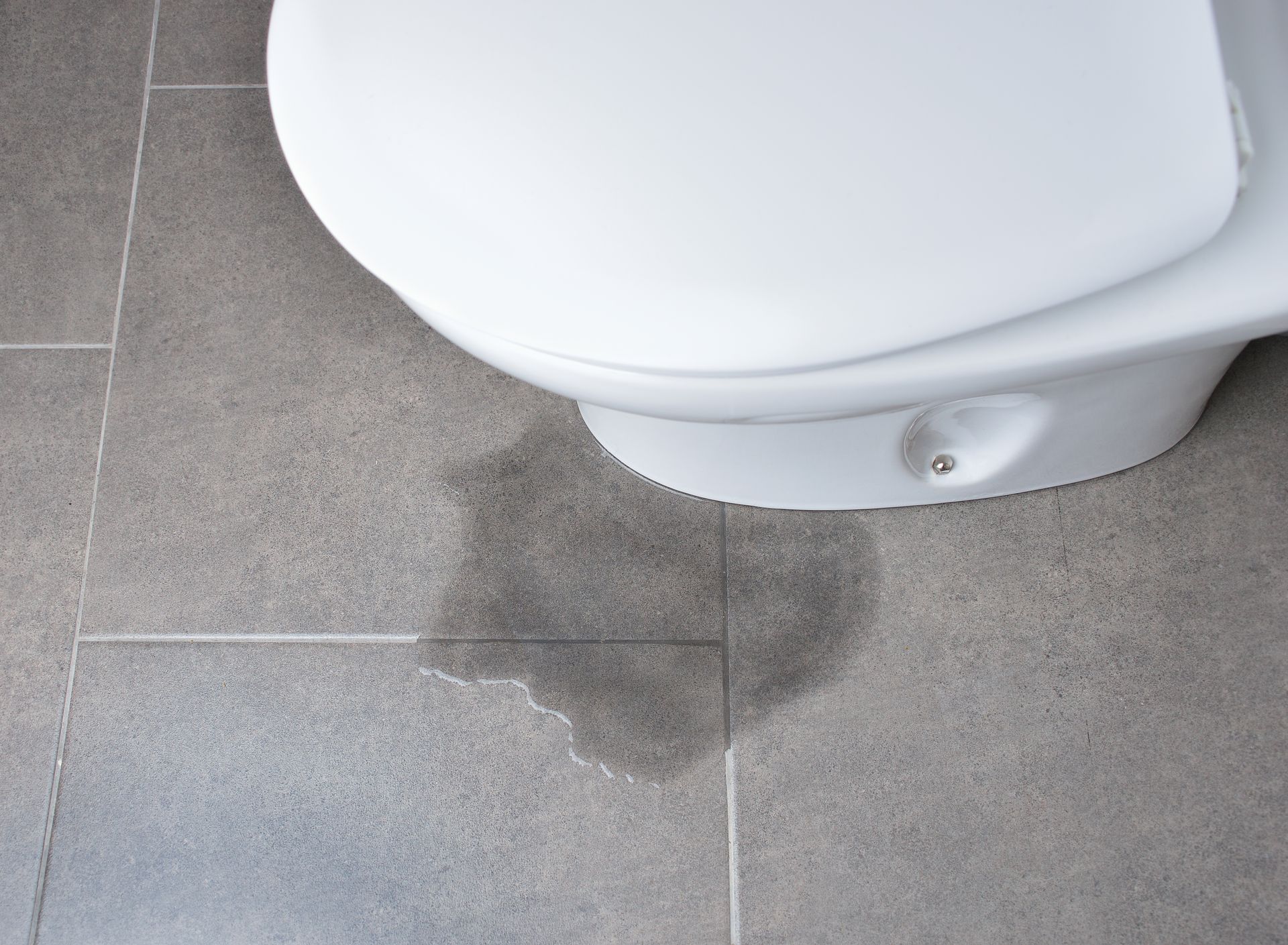
Many common toilet leaks happen internally, with water continuously escaping from the tank into the bowl and then flowing down the drain.
The good news is these invisible leaks are typically not silent. Most homeowners will hear the toilet tank refilling at consistent intervals when no one is using it. Even if the toilet is in another part of the house, the sound of water moving through the supply lines may still be noticeable, particularly at night when the house is otherwise quiet.
The challenge for homeowners is usually trying to figure out exactly what’s causing the leak and whether they have the DIY toilet repair know-how to fix it themselves.
Worn or Poorly Sealing Flappers Are a Leading Cause
The flapper is supposed to create a watertight seal between the tank and bowl after each flush.
As the rubber ages, it can warp, harden, crack or stop sealing completely. Even a small gap can allow water to trickle from the tank into the bowl.
Sometimes the flapper itself is fine, but the chain is too tight or gets caught underneath it, preventing the flapper from sealing the flush valve.
Once the tank level drops far enough, the fill valve turns on and replaces the lost water. This is why a leaking toilet may periodically make a refilling sound even when it has not been used.
Many modern replacement flappers are designed to fit a range of standard toilets, but they’re not entirely universal. Some brands require manufacturer-specific flappers or use proprietary flushing systems that can make replacement less straightforward.
If you’ve attempted flapper replacement but there’s still a leak, the replacement may not be the correct size or design for your toilet.
Problems With the Flush Valve or Seal
If replacing or adjusting the flapper does not stop the leak, the problem may be with the flush valve itself.
The surface the flapper seals against can become damaged or deteriorated, preventing a complete seal. Some newer toilets use canister- or tower-style flush valves instead of traditional flappers, and the rubber seal at the base of those assemblies can wear out in much the same way.
Cracks or deterioration in the flush-valve assembly can also allow water to bypass the normal seal and enter the bowl.
Water Can Also Flow Through the Overflow Tube
Not every internal toilet leak happens because water is slipping past the flush valve.
If the tank water level is set too high, or the fill valve does not shut off when it should, water can continuously spill into the overflow tube. From there, it flows directly into the bowl and down the drain.
If the overflow tube is positioned too low or the surrounding flush-valve assembly is damaged, water may also enter the tube before the tank reaches its intended fill level.
Why the Bowl Does Not Overflow
The toilet bowl maintains its normal water level through the internal trapway. Once water rises above that level, the excess simply continues through the trap and into the drain.
As long as the drain is open, an internal leak can continue indefinitely without the water in the bowl ever rising above the intended level.
Even a Small Toilet Leak Can Waste a Lot of Water
A slow leak may not seem urgent because the toilet still works and there is no visible water damage.
But even a relatively minor flapper leak can waste more than 30 gallons of water per day. That is roughly 900 gallons over the course of a month if the problem continues.
For most households, the recurring refill noise is annoying enough to make the problem worth fixing quickly anyway.
Tom’s Mechanical plumbers can diagnose the source of the leak and repair the failed components, including toilets with proprietary or less common flappers and flushing systems. If the toilet has recurring problems or replacement makes more sense, we can also recommend and install a new fixture that fits your home and plumbing.
Call us at (817) 277-4493 for toilet repair or replacement in Arlington, Fort Worth and the surrounding Tarrant County area.
OTHER RECENT POSTS